Colour: The Dark Palette
Goth home decor begins with colour. Deep, rich tones are the foundation: black walls (less institutional than it sounds when paired with appropriate texture), deep burgundy and blood red, midnight navy, forest green, and rich charcoal grey. These colours transform spaces completely — they absorb light rather than reflecting it, creating the kind of intimate, atmospheric spaces that goth aesthetic requires. Supplement with white or off-white for contrast: white ceiling against a deep charcoal wall creates a dramatic vertical space.
Lighting: The Sacred Dark
Lighting is perhaps the most important element of a goth interior. Electric light should be low and warm — Edison bulbs, table lamps rather than overhead lights, candlelight everywhere it is safe. Candelabras, pillar candles in clusters, church candles, fairy lights (surprisingly effective in creating diffused atmospheric light against dark surfaces). The goal is the quality of light in a Victorian interior before electricity — warm, directional, intimate.
Furniture and Textiles
Victorian and Edwardian furniture — heavy dark wood, carved details, ornate hardware — is perfect for goth interiors. Charity shops and antique markets regularly carry exactly this furniture at accessible prices. Layer with dark textiles: velvet cushions and throws, brocade curtains, lace panels at windows. The texture of dark velvet against dark wood is one of the most visually satisfying combinations in goth interior design.
Objects and Decor
Skulls (human and animal), dead flowers in vases, candles of various sizes, Victorian taxidermy (or resin reproductions), framed Gothic art prints, antique mirrors, astronomical instruments, vintage apothecary bottles, religious iconography (crosses, reliquaries, figures of saints) — these are the objects of a goth interior. None should look chosen for effect alone; each should feel like it was acquired because it was genuinely compelling.
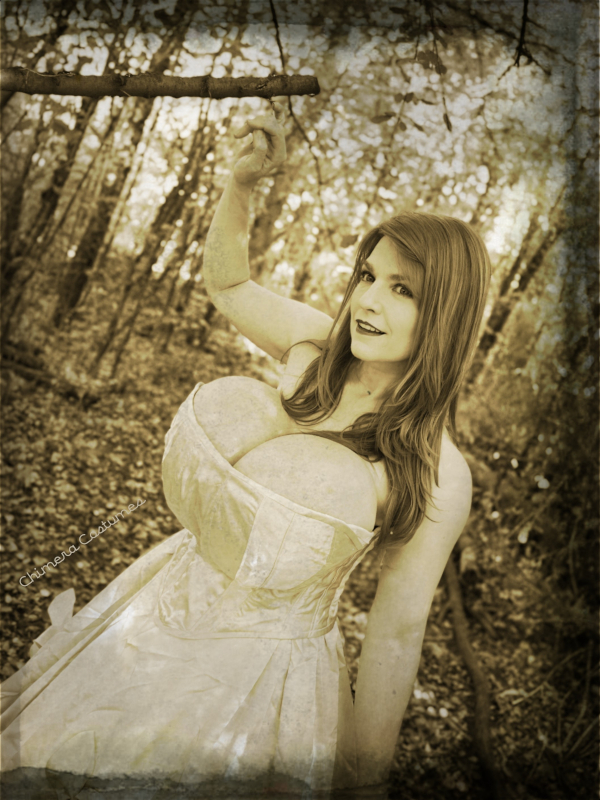




✝ Goth Cosplay in Action ✝
Chimera Costumes — Dark Fantasy Craft
When goth aesthetics meet serious costume construction, the result is something rare. Chimera Costumes builds every dark fantasy piece from scratch — shadow elves, vampire queens, gothic sorceresses — with the same obsessive dedication that defines the best of goth culture. Free build content on Instagram, Twitch, and YouTube. Exclusive dark sets on Patreon. Adult goth content on OnlyFans (18+).