Start With the Music
Goth culture has its roots in music, and music is the most direct entry point. Begin with the canonical classics: Bauhaus's "Bela Lugosi's Dead," Sisters of Mercy's "Floodland," The Cure's "Disintegration," Siouxsie and the Banshees' "Juju." These are not just historically important — they are still genuinely extraordinary pieces of music that hold up completely. Let yourself respond to them without analysing what you're supposed to feel.
From there, follow your instincts. If the dark romance of Sisters of Mercy speaks to you, explore darkwave — Clan of Xymox, Deine Lakaien. If the aggression of industrial goth connects, explore Nine Inch Nails and Ministry. If the Victorian romanticism draws you, find Voltaire and Sopor Aeternus. There is no wrong direction.
Begin With the Aesthetic
Goth fashion does not require an immediate complete overhaul of your wardrobe. Start with what you already own that is black, and build from there. A single quality purchase — good black boots, a reliable black coat — is more useful than ten cheaper additions. Explore charity/thrift shops for quality vintage pieces. Look at established goth creators on social media for visual reference, but remember that the most authentic goth fashion is the version that feels genuinely yours.
Find the Community
The goth community is one of the more welcoming alternative subcultures. Online communities — Reddit's r/goth, various Discord servers, Instagram and YouTube goth content — provide access to the global scene. If a local goth club night is accessible, attending one is one of the most immediately affirming ways to encounter the community in person.
Don't Overthink It
Goth has a reputation for gatekeeping and "not goth enough" debates — these exist primarily online and represent a vocal minority. The vast majority of goths are welcoming of genuine interest, appreciative of effort, and interested in the culture rather than in policing who counts as part of it.

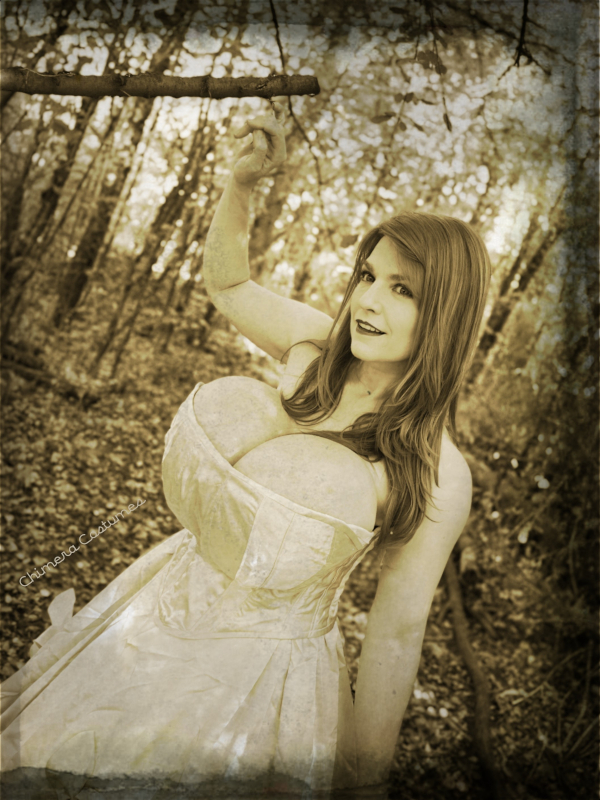

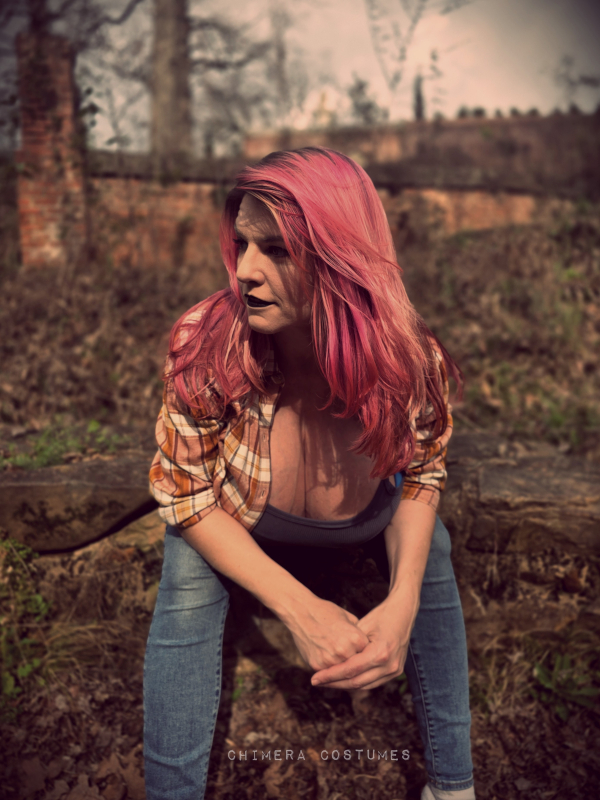
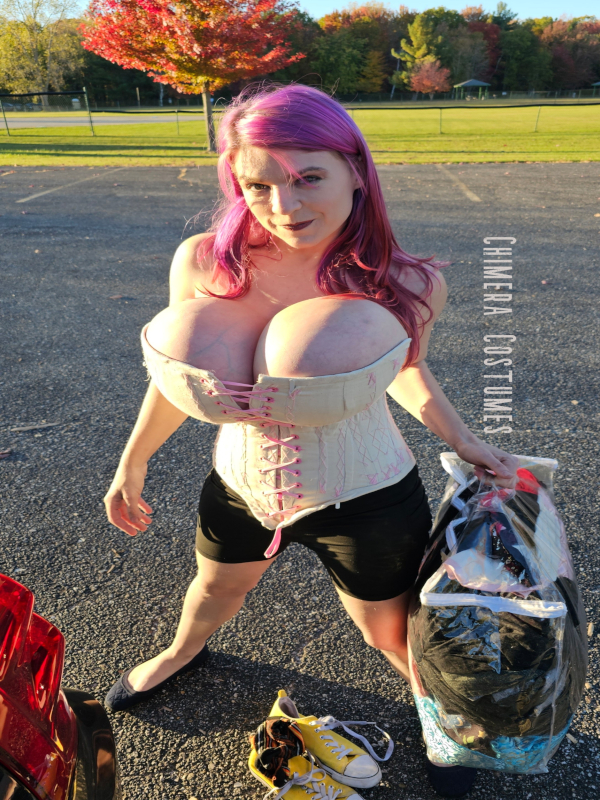
✝ Goth Cosplay in Action ✝
Chimera Costumes — Dark Fantasy Craft
When goth aesthetics meet serious costume construction, the result is something rare. Chimera Costumes builds every dark fantasy piece from scratch — shadow elves, vampire queens, gothic sorceresses — with the same obsessive dedication that defines the best of goth culture. Free build content on Instagram, Twitch, and YouTube. Exclusive dark sets on Patreon. Adult goth content on OnlyFans (18+).