The Origin of Bela Lugosi's Dead
Bauhaus — Peter Murphy, Daniel Ash, Kevin Haskins, and David J — recorded "Bela Lugosi's Dead" in a single session in January 1979. It was their debut single and remains the most important record in goth history. The song runs nine minutes and forty-seven seconds. The bass line is a funeral procession. The guitar is cobwebs and echo. Peter Murphy's voice descends from theatrical spoken word to resonant baritone, invoking the death of Universal Pictures' Dracula with absurdist reverence. "Undead, undead, undead."
The Northampton label Small Wonder pressed 5,000 copies. They sold out almost immediately. Nothing in British music had sounded quite like it — post-punk's energy channelled into pure atmosphere, pure darkness, pure theatre.
The Sound of Bauhaus
Bauhaus were not simply a dark band. They were a deliberately art-damaged post-punk group that happened to inhabit darkness as their primary aesthetic territory. Daniel Ash's guitar work was innovative — unconventional tunings, scraping textures, melodic lines that bent the rules of rock guitar. Kevin Haskins and David J created rhythmic foundations that were simultaneously minimal and propulsive. And Peter Murphy commanded the stage and the microphone with a theatrical presence that owed as much to Bowie and Iggy as to anything previously called rock music.
Albums and Influence
In the Flat Field (1980) established their cold, claustrophobic sound. Mask (1981) expanded into broader sonic territory. The Sky's Gone Out (1982) and Burning from the Inside (1983) — the latter recorded while Murphy was hospitalised with pneumonia — completed their original run. In those four albums, Bauhaus created the template that a thousand goth bands would spend the following decades attempting to replicate.
Legacy
Every goth band that has ever existed owes a debt to Bauhaus. The Sisters of Mercy, The Cure, Siouxsie, Fields of the Nephilim — all of them emerged from the shadow Bauhaus cast. When Bauhaus reformed in 1998, 2005, and again in subsequent years, they played to audiences who had been born after they disbanded. That is the measure of their impact. Bela Lugosi may be dead. Bauhaus is not.

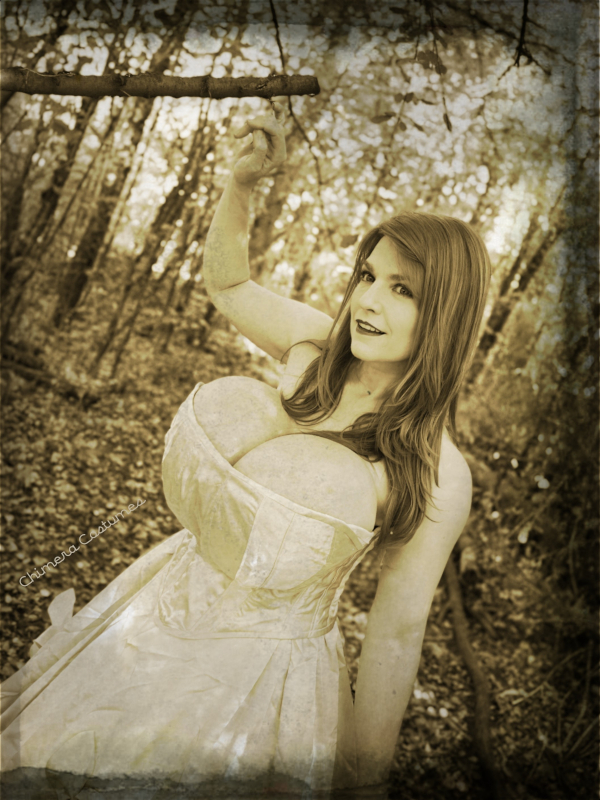


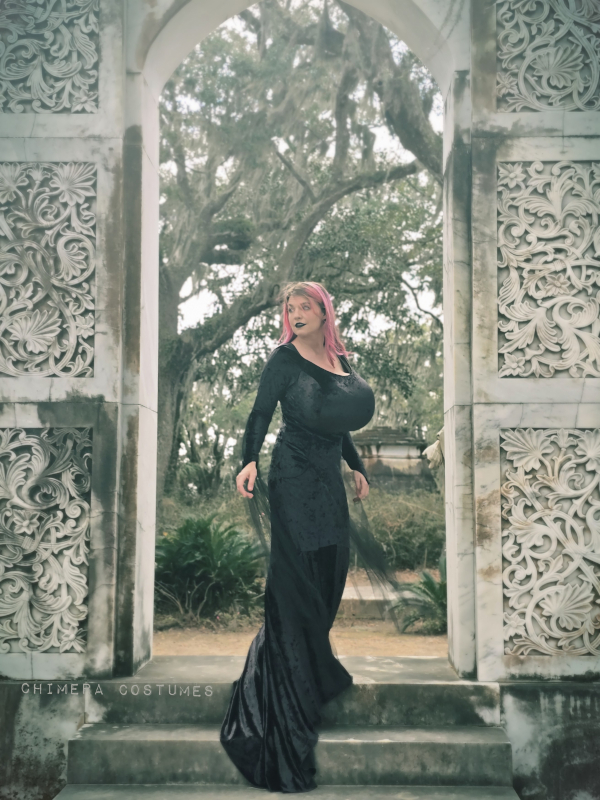
✝ Goth Cosplay in Action ✝
Chimera Costumes — Dark Fantasy Craft
When goth aesthetics meet serious costume construction, the result is something rare. Chimera Costumes builds every dark fantasy piece from scratch — shadow elves, vampire queens, gothic sorceresses — with the same obsessive dedication that defines the best of goth culture. Free build content on Instagram, Twitch, and YouTube. Exclusive dark sets on Patreon. Adult goth content on OnlyFans (18+).