What Goth Actually Is
The question "what is goth?" generates more debate than almost any other in alternative culture. It is not definable by a single genre of music — goths listen to everything from baroque classical to black metal. It is not definable by a single visual aesthetic — goth encompasses Victorian romantics, industrial cybergoths, and deathrock punks. What connects all these expressions is something more like a sensibility: an attraction to darkness, to the morbid, to the beautiful in what others call ugly or frightening.
The Aesthetic of Daily Life
A goth aesthetic carried into daily life might include: home decor that favours dark colours, candlelight, skulls, dead flowers, Victorian furniture; a reading list heavy on Gothic fiction, horror, poetry of darkness and despair; an appreciation for grey winter days and autumn that others find depressing; a preference for night over day; a comfortable relationship with cemeteries as places of beauty and history.
The Philosophy of Embracing Darkness
Goth engages with death, decay, and darkness in a way that is not depressive but aesthetic — it finds beauty in what western mainstream culture has decided must be hidden. The Victorian practice of elaborate mourning rituals, the medieval tradition of memento mori ("remember you will die"), the Romantic poets' preoccupation with mortality — goth inherits and continues all of these traditions. This is not a pathological relationship with death; it is a philosophical and aesthetic one.
Goth Community
The goth community has a reputation — somewhat earned — for being welcoming of outsiders, misfits, and people who feel they do not belong elsewhere. The shared experience of existing outside mainstream culture creates solidarity. Goth spaces are generally tolerant of different expressions of the aesthetic and resistant to the kind of "not goth enough" gatekeeping that some other subcultures practice.
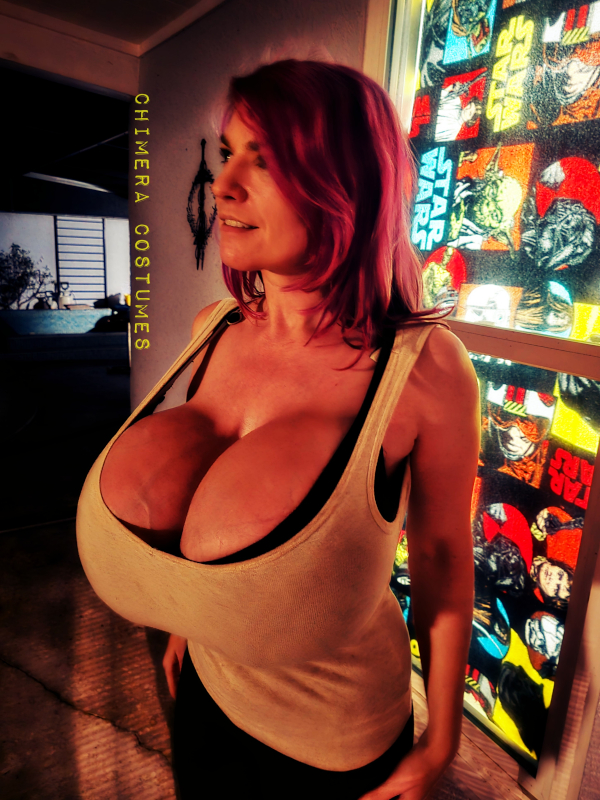

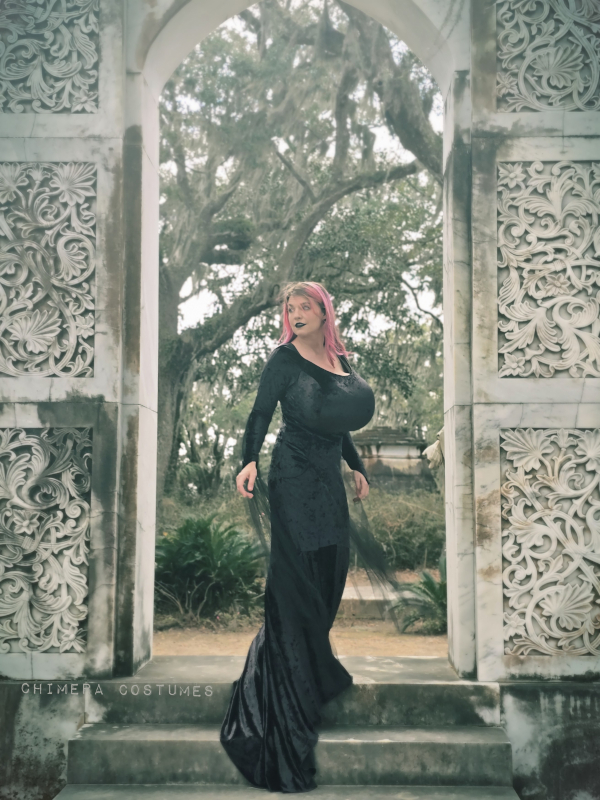


✝ Goth Cosplay in Action ✝
Chimera Costumes — Dark Fantasy Craft
When goth aesthetics meet serious costume construction, the result is something rare. Chimera Costumes builds every dark fantasy piece from scratch — shadow elves, vampire queens, gothic sorceresses — with the same obsessive dedication that defines the best of goth culture. Free build content on Instagram, Twitch, and YouTube. Exclusive dark sets on Patreon. Adult goth content on OnlyFans (18+).