The Pre-Raphaelite Foundation
The Pre-Raphaelite Brotherhood — Rossetti, Millais, Burne-Jones — created art in the mid-to-late 19th century that prefigured goth aesthetic with remarkable precision. Their paintings featured pale, almost luminous female figures in dark romantic settings. Rossetti's doomed muses — many modelled on Elizabeth Siddal, who died young of laudanum — recur through his work as images of beautiful, tragic femininity. The paintings feel lit from within, their subjects existing between life and death in ways that feel distinctly goth.
Dark Photography
Goth aesthetic in photography tends toward high contrast, desaturated colour, dramatic lighting, and subjects that suggest narratives of loss, decay, or supernatural presence. The Victorian tradition of memorial photography — photographing the recently dead — is a genuine precursor. Contemporary dark photography has developed its own sophisticated vocabulary: abandoned buildings, fog-drenched landscapes, carefully composed portraits that exist between the living and the dead.
Goth Illustration and Digital Art
Goth illustration encompasses a vast range — from the intricate Victorian-influenced pen work of Edward Gorey (whose drawings of mysterious and frequently fatal events in undefined historical settings are perfectly goth without ever being labelled as such) to modern digital artists creating dark fantasy imagery. The shared aesthetic values are: ornate detail, dark colour palette, death as a recurring motif, and a preference for the beautiful over the merely frightening.
Gothic Architecture as Aesthetic Influence
Medieval Gothic architecture — the pointed arches, ribbed vaults, flying buttresses, and elaborate stone carvings of cathedrals like Notre-Dame and Cologne — provides goth culture with an enduring aesthetic reference. The vertical emphasis, the stone darkness, the gargoyles, the stained glass creating coloured light in dark spaces — these are the physical ancestors of goth visual culture's preferences.

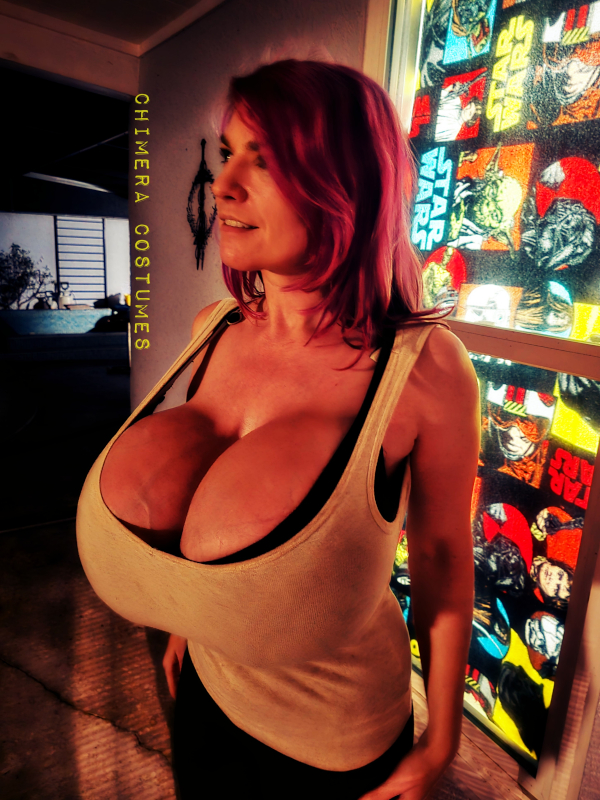
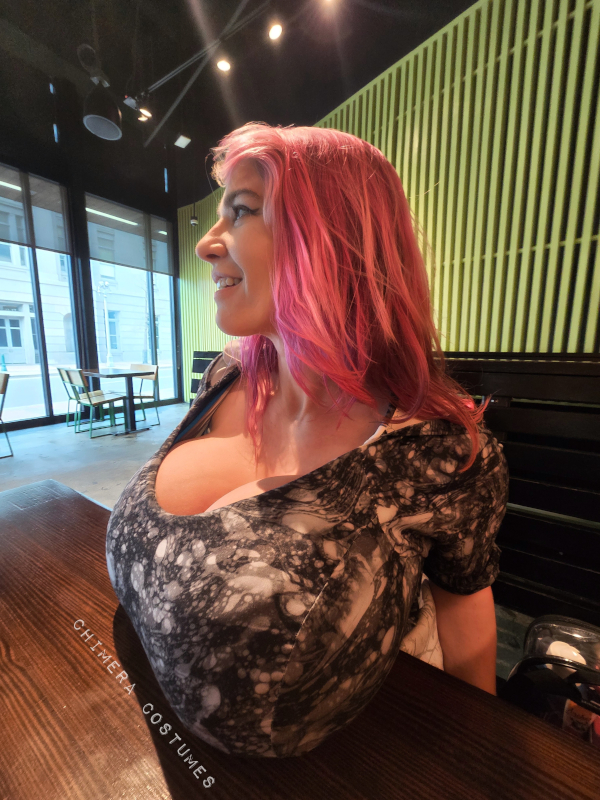
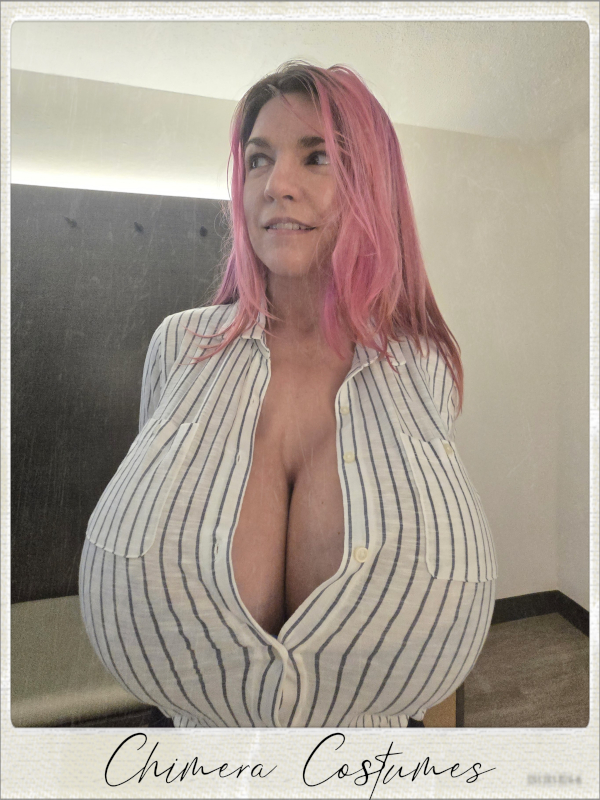
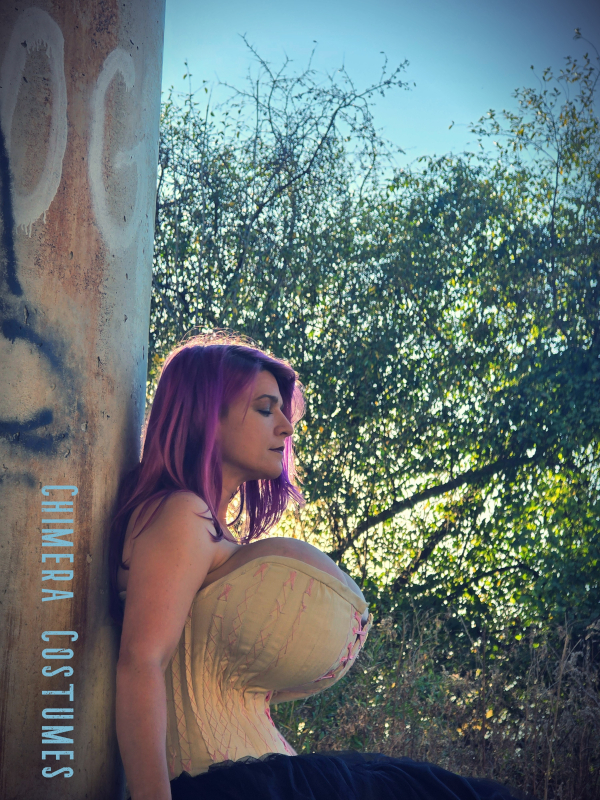
✝ Goth Cosplay in Action ✝
Chimera Costumes — Dark Fantasy Craft
When goth aesthetics meet serious costume construction, the result is something rare. Chimera Costumes builds every dark fantasy piece from scratch — shadow elves, vampire queens, gothic sorceresses — with the same obsessive dedication that defines the best of goth culture. Free build content on Instagram, Twitch, and YouTube. Exclusive dark sets on Patreon. Adult goth content on OnlyFans (18+).