The Victorian Gothic Root
Goth does not begin in a London basement in 1979. It begins much earlier — in the fog-drenched imagination of 18th and 19th century Gothic literature. Horace Walpole's The Castle of Otranto (1764) established the genre: crumbling castles, supernatural dread, brooding aristocrats, dark secrets buried in stone. Mary Shelley's Frankenstein (1818) added science and existential horror. Bram Stoker's Dracula (1897) gave darkness its most enduring icon. These were not escapist entertainments — they were explorations of what polite Victorian society refused to acknowledge: death, desire, the monstrous within the civilised.
The Post-Punk Crucible: 1978–1982
When punk rock burned itself out on its own aggression, some of its survivors turned inward. The energy remained but the politics shifted — from screaming at society to staring into the self. Joy Division's lan Curtis channelled depression and epilepsy into some of the most haunting music ever recorded. When Curtis died in 1980, the shadow he cast over post-punk grew permanent.
Bauhaus released "Bela Lugosi's Dead" in 1979 — nine minutes of droning bass, spider-web guitar, and Peter Murphy's theatrical baritone invoking the undead over a pulsing funeral beat. It was not intended as a manifesto, but it became one. The song defined an aesthetic: dark, theatrical, preoccupied with death, unafraid of the ridiculous.
The Batcave and the British Scene: 1982–1985
The Batcave club opened in London's Soho in July 1982 and became the physical home of what journalists were beginning to call "goth" — a compression of "gothic rock." The club nights featured Specimen, Sex Gang Children, Alien Sex Fiend, and The Birthday Party. The look crystallised: black clothing, teased hair, pale skin, kohl-heavy eyes. Not as costume but as identity — a visual language for people who felt most alive in the dark.
Simultaneously, the Sisters of Mercy were building a cathedral of sound in Leeds, their drum machine Doktor Avalanche pounding beneath Andrew Eldritch's bass-register voice. The Cure's Robert Smith was applying eyeliner and exploring the gap between love and despair. Siouxsie Sioux was already several years into defining what a goth queen looked like, sounded like, and refused to apologise for.
The Darkwave Expansion: Mid-1980s
By the mid-1980s, goth had expanded geographically and sonically. Germany produced Deine Lakaien — cinematic, orchestral, devastating. The Netherlands gave the world Clan of Xymox, whose debut album is a masterclass in doomed romanticism. In the US, Christian Death created their own darker, more nihilistic strain of goth rock. The genre was no longer one sound — it was a family of sounds sharing a common darkness.
Industrial Intersection: Late 1980s–1990s
As the 1980s became the 1990s, goth absorbed industrial music's abrasion and aggression. Nine Inch Nails brought the darkness to arena audiences. Marilyn Manson weaponised goth theatrics against American conservatism. Ministry traded their synth pop origins for metal-grinding industrial horror. The result was a new hybrid: harder, louder, angrier, but still rooted in the same aesthetic preoccupation with darkness, death, and the machinery of suffering.
Cybergoth and the Digital Turn: 1990s–2000s
The rise of electronic music created cybergoth — a fusion of industrial electronics, EBM beats, and goth aesthetics. VNV Nation, Combichrist, and Covenant moved the darkness onto the dancefloor. The visual language shifted: neon-tinted goggles, PVC, dreadlock falls, platform boots. The music was faster, harder, more physical — but the spiritual lineage to Bauhaus and Joy Division remained intact.
Today: Goth Endures
Goth has been declared dead more times than any genre can count. It has outlasted grunge, survived nu-metal, watched countless "next big things" rise and fade. Today's goth scene includes post-punk revivalists, shoegaze-influenced darkwave bands, neo-Victorian aesthetes, and industrial artists. The internet has created global goth communities where no local scene previously existed. TikTok hosts thousands of creators presenting goth aesthetics to new generations. The darkness never dies — it just finds new shapes.

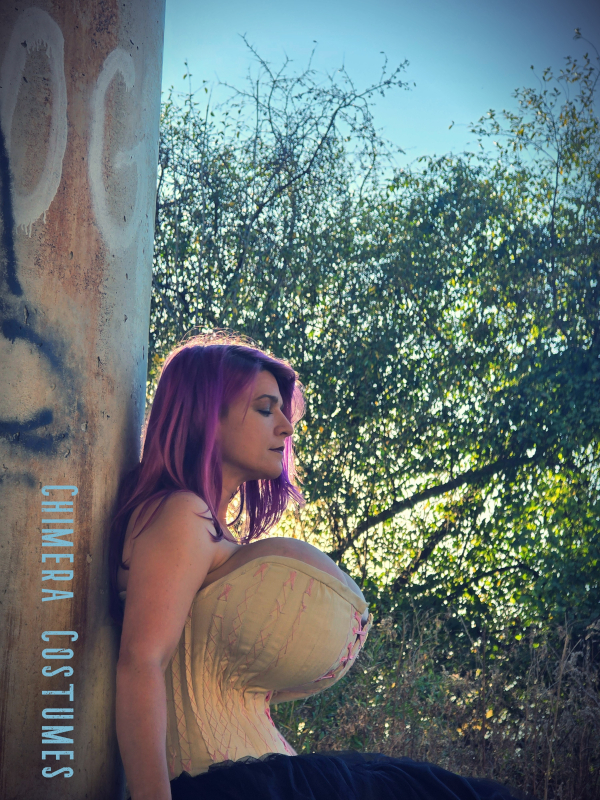


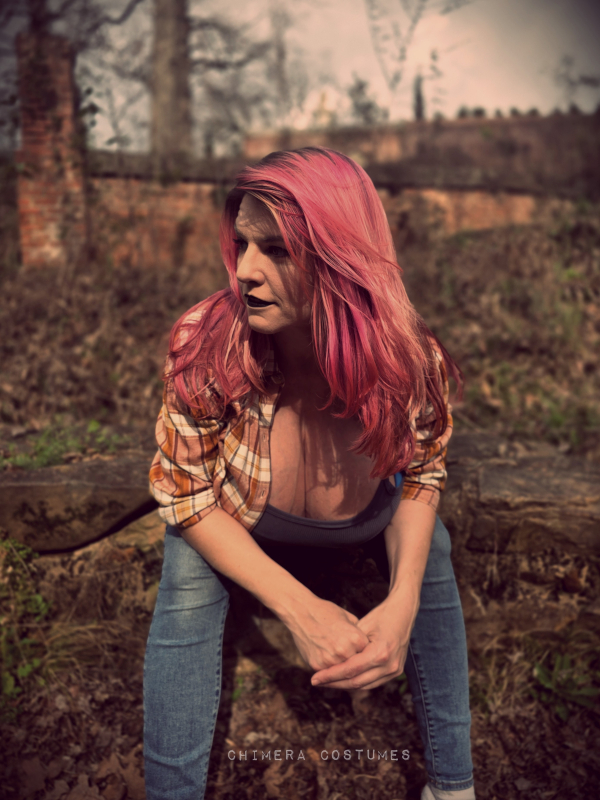
✝ Goth Cosplay in Action ✝
Chimera Costumes — Dark Fantasy Craft
When goth aesthetics meet serious costume construction, the result is something rare. Chimera Costumes builds every dark fantasy piece from scratch — shadow elves, vampire queens, gothic sorceresses — with the same obsessive dedication that defines the best of goth culture. Free build content on Instagram, Twitch, and YouTube. Exclusive dark sets on Patreon. Adult goth content on OnlyFans (18+).