What is Darkwave?
Darkwave emerged in the mid-1980s as goth music absorbed electronic and synthesiser-based production. Where classic goth rock was built on guitars and drums, darkwave built its emotional architecture from synthesisers, electronic drum machines, and atmospheric layering. The result was music that felt colder, more introverted, more cinematic — the sonic equivalent of watching a grey city from a rain-streaked window.
Clan of Xymox
The Dutch group Clan of Xymox (formed 1981) are darkwave's defining band. Their early albums — particularly the self-titled debut (1985) and Medusa (1986), both released on the 4AD label — are masterclasses in doomed romanticism. The production is lush with synthesiser pads and echoed guitars, the vocals floating above like ghosts. Songs like "A Day" and "Stranger" are not goth music as performance — they are goth music as genuine emotional excavation.
Deine Lakaien
German duo Deine Lakaien — Alexander Veljanov and Ernst Horn — created darkwave with an unmistakable cinematic quality. Horn's classical training produced arrangements of unusual sophistication; Veljanov's voice was equally at home in operatic passages and intimate whispers. Their 1990s output — particularly Dark Star and White Lies — represents darkwave at its most architecturally beautiful.
American Darkwave
The US had its own darkwave lineage — Black Tape for a Blue Girl, Lycia, Unto Ashes, and Switchblade Symphony created music of comparable depth from the American underground. Switchblade Symphony in particular — Tina Root's voice over dense, layered electronics — developed a following that extended well beyond the traditional goth scene.
The Coldwave Connection
Coldwave — primarily a French phenomenon — ran parallel to darkwave: minimal, bleak, influenced by Joy Division and the post-punk scene, built on atmosphere over melody. Bands like Asylum Party, Trisomie 21, and Ruth created music that was often more extreme in its bleakness than anything from the broader goth world.
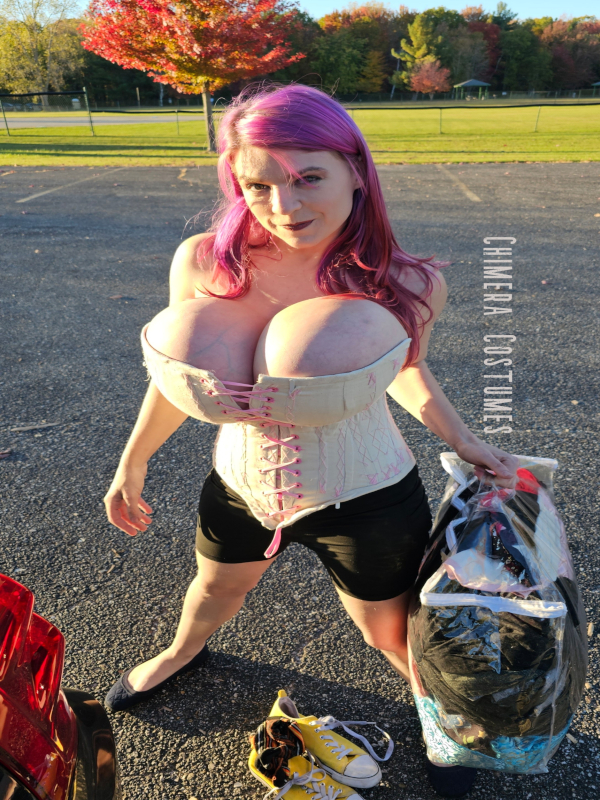

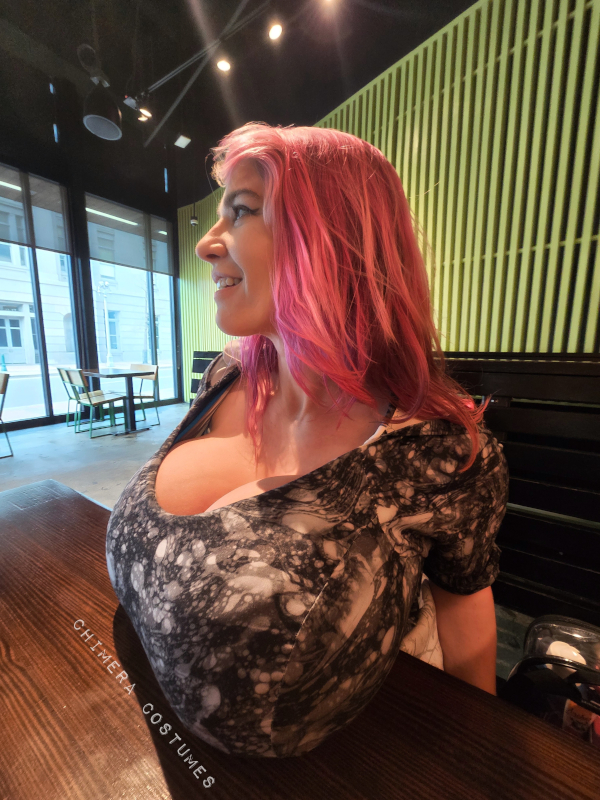
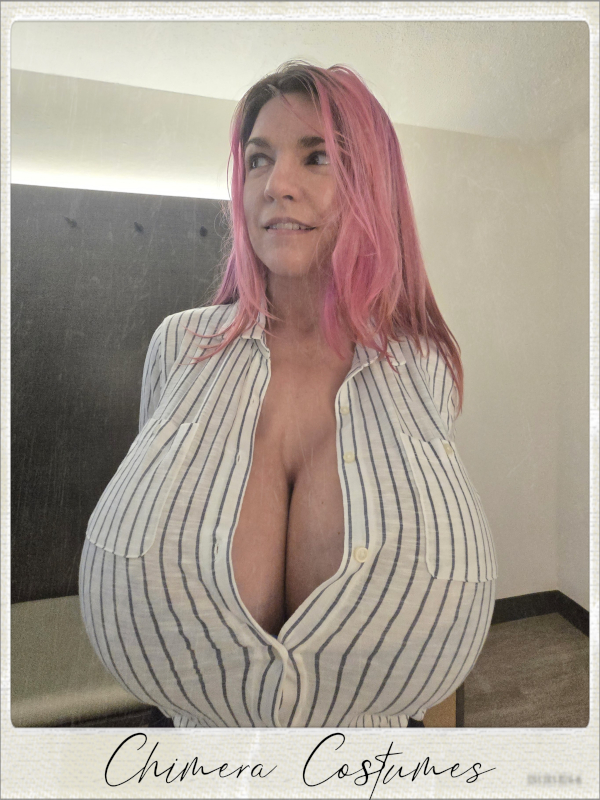

✝ Goth Cosplay in Action ✝
Chimera Costumes — Dark Fantasy Craft
When goth aesthetics meet serious costume construction, the result is something rare. Chimera Costumes builds every dark fantasy piece from scratch — shadow elves, vampire queens, gothic sorceresses — with the same obsessive dedication that defines the best of goth culture. Free build content on Instagram, Twitch, and YouTube. Exclusive dark sets on Patreon. Adult goth content on OnlyFans (18+).