The Gothic Novel: Origins
The Gothic novel as a literary form begins with Horace Walpole's The Castle of Otranto (1764) — a story of supernatural events, dark corridors, and family secrets set in a medieval Italian castle. Walpole invented the elements that would define Gothic fiction: the decaying castle as setting, the tyrannical patriarch, the victimised heroine, the supernatural intrusion, the secret buried in the past. He called it a "Gothic story," borrowing the medieval Gothic architectural style as his metaphor for the genre's aesthetic.
Mary Shelley: The Philosophical Gothic
Mary Shelley's Frankenstein, or The Modern Prometheus (1818) took the Gothic genre in a new direction: instead of supernatural horror, the threat was scientific hubris. Victor Frankenstein's creation is not simply a monster — it is the creation asking its creator why it was made, what it owes its maker, and what it means to be a rejected and unloved being in a world that made it what it is. These are goth questions. They remain goth questions.
Edgar Allan Poe
No writer is more associated with Gothic aesthetics than Poe. "The Fall of the House of Usher," "The Raven," "Ligeia," "The Tell-Tale Heart" — his work is an obsessive return to the same preoccupations: the death of beautiful women, the collapse of ancient families, the unreliable narrator descending into madness. His poetry gave goth culture some of its foundational language for engaging with loss and beauty simultaneously.
Bram Stoker's Dracula
Stoker's 1897 epistolary novel gave goth culture its single most enduring icon. Count Dracula — ancient, aristocratic, sexually threatening, fundamentally Other — is the archetype that still drives a thousand goth characters and aesthetics. The novel's exploration of sexuality, transgression, and the clash between modern rationalism and ancient darkness remains genuinely powerful.
Anne Rice and the Modern Gothic
Anne Rice's Vampire Chronicles — beginning with Interview with the Vampire (1976) — created the template for the modern literary vampire: not a monster but a doomed romantic, burdened by immortality, defined by loss. Louis and Lestat became foundational goth cultural figures. The novels gave goth readers a fictional universe that took their sensibilities seriously and explored them at length.


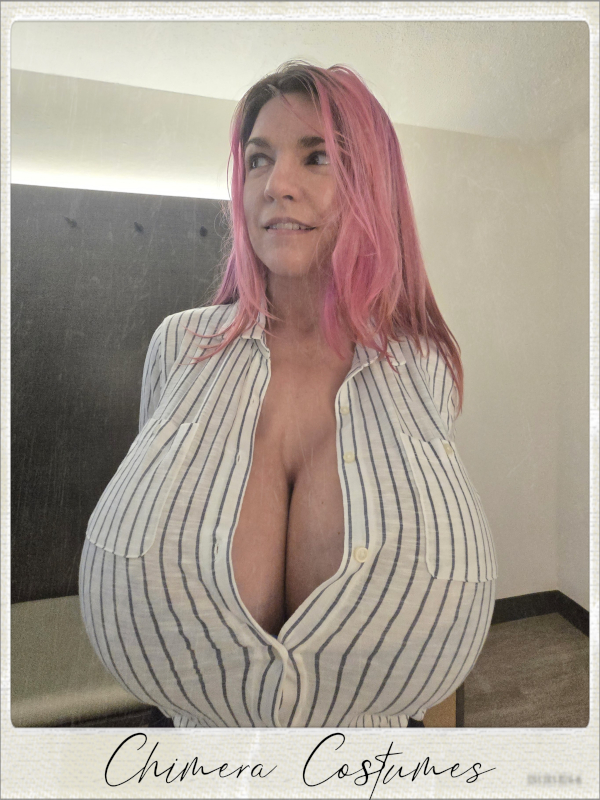
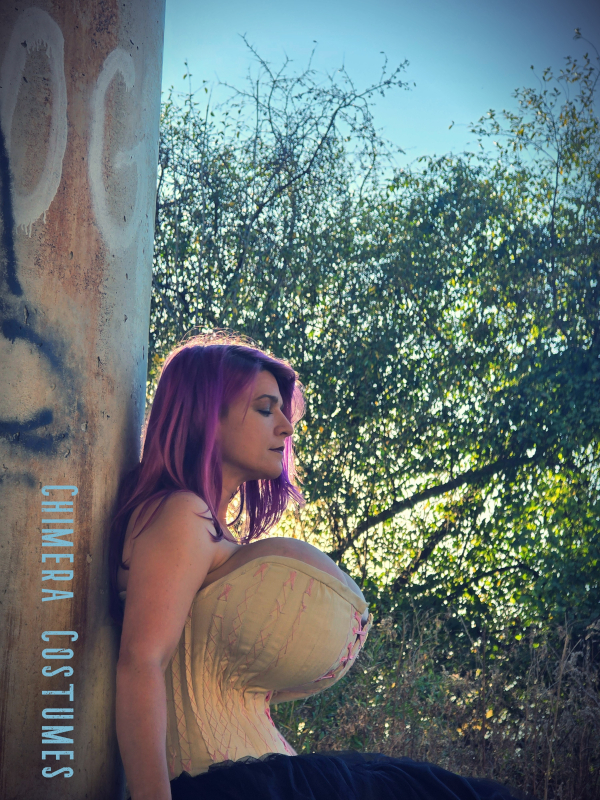

✝ Goth Cosplay in Action ✝
Chimera Costumes — Dark Fantasy Craft
When goth aesthetics meet serious costume construction, the result is something rare. Chimera Costumes builds every dark fantasy piece from scratch — shadow elves, vampire queens, gothic sorceresses — with the same obsessive dedication that defines the best of goth culture. Free build content on Instagram, Twitch, and YouTube. Exclusive dark sets on Patreon. Adult goth content on OnlyFans (18+).