The Industrial Lineage
Industrial music predates goth — Throbbing Gristle, Einstürzende Neubauten, and Cabaret Voltaire were making confrontational noise-based music from the late 1970s. What became "industrial goth" emerged when this abrasive tradition absorbed goth's theatrical darkness and emotional depth. The result was music that was simultaneously more aggressive and more emotionally vulnerable than either parent genre.
Nine Inch Nails
Trent Reznor created Nine Inch Nails in Cleveland in 1988. The debut album Pretty Hate Machine (1989) was industrial dance music with devastatingly personal lyrics about alienation, obsession, and self-loathing. The Downward Spiral (1994) — recorded in the house where Sharon Tate was murdered — is one of rock music's most intense documents: a concept album about self-destruction that somehow made industrial music into arena rock. "Hurt" — later covered by Johnny Cash — is one of the most painfully human songs ever written by a person operating at the edge of their own dissolution.
Marilyn Manson
Brian Warner took the theatrical shock-value of Alice Cooper, filtered it through industrial goth aesthetics, and aimed it directly at American Christian conservatism. Antichrist Superstar (1996) and Mechanical Animals (1998) made Marilyn Manson one of the most controversial and commercially successful artists of the 1990s. Whatever one makes of his later personal history, the early Manson records are genuinely significant industrial goth artefacts.
Ministry
Al Jourgensen's Ministry began as new wave and transformed over the course of the 1980s into something barely recognisable as the same band: grinding, metal-influenced industrial noise at extraordinary volumes. Psalm 69 (1992) is the definitive Ministry record — the sound of machinery being used as a weapon.
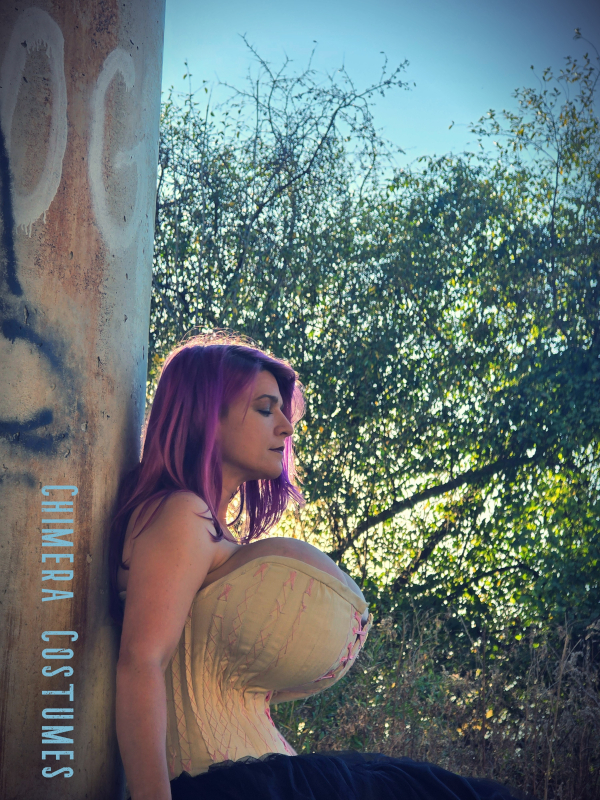


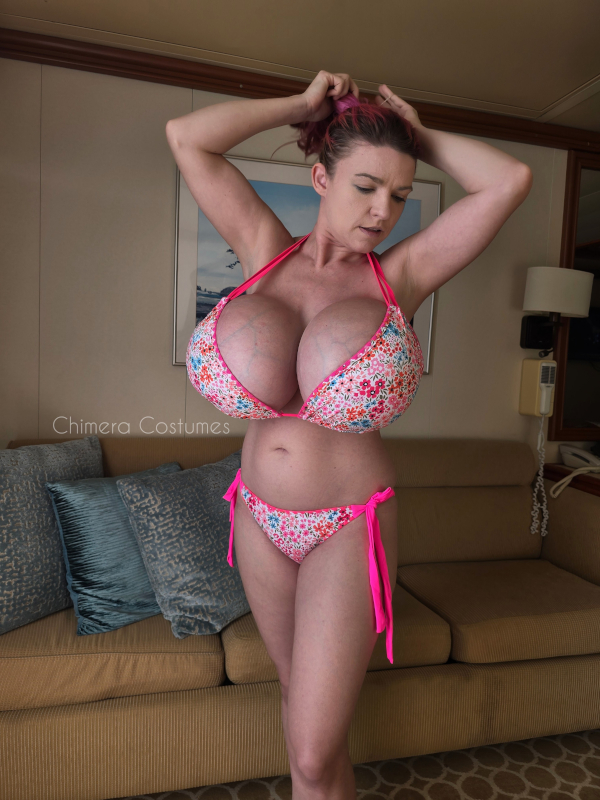
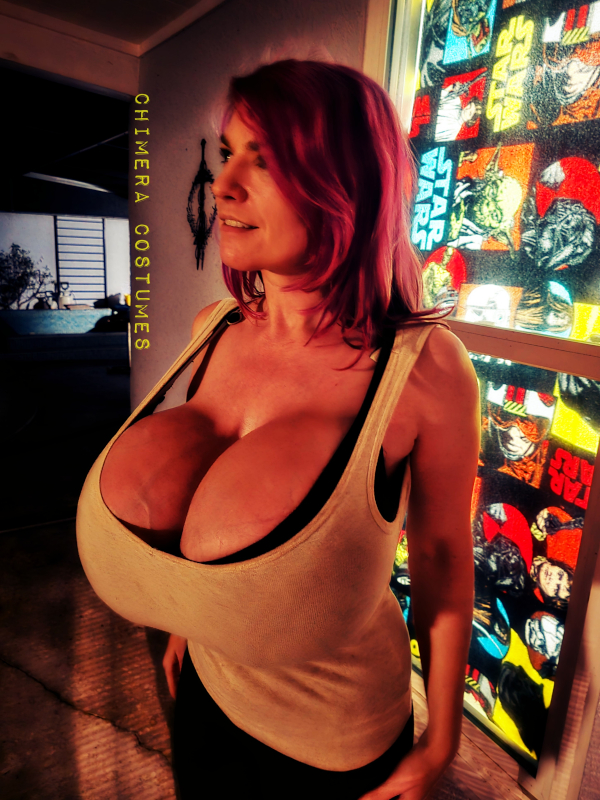
✝ Goth Cosplay in Action ✝
Chimera Costumes — Dark Fantasy Craft
When goth aesthetics meet serious costume construction, the result is something rare. Chimera Costumes builds every dark fantasy piece from scratch — shadow elves, vampire queens, gothic sorceresses — with the same obsessive dedication that defines the best of goth culture. Free build content on Instagram, Twitch, and YouTube. Exclusive dark sets on Patreon. Adult goth content on OnlyFans (18+).