Autumn: The Sacred Season
Autumn is, objectively, the goth season. The darkening of the light, the decay of leaves into burgundy and black, the fog, the bare branches against grey sky — every element of autumn corresponds to a goth aesthetic preference. Type O Negative's October Rust exists as the definitive document of autumn as goth experience: "here in autumn's bright promise" and the slow, inevitable approach of cold darkness. Autumn is when the world briefly understands what goths feel year-round.
Winter: The Dark Absolute
Winter strips the world down to its essentials: bare trees, grey sky, short days, long nights. The world in winter looks like how goth art imagines it. The particular quality of late afternoon winter light — angled, cold, making ordinary things look like they're in a Pre-Raphaelite painting — is one of the small pleasures that goths notice and catalogue. Christmas as Victorians experienced it — candlelit, surrounded by the dark — is actually closer to goth aesthetic than modern commercial Christmas.
Spring: Rain and Renewal
Spring rain is underrated in goth aesthetics. The smell of wet earth, the grey-green palette of new growth against still-bare trees, the specific atmospheric quality of an April rainstorm — these are goth pleasures. Spring also brings festival season: WGT in late May/early June, and the revival of goth club nights after winter hibernation.
Summer: Night Culture
Summer is goth's hardest season — the relentless brightness and heat is antithetical to the aesthetic in obvious ways. But summer nights compensate: warm darkness, outdoor festival stages, the particular quality of a goth club on a summer night when the contrast between the heat outside and the cool dark inside is extreme. Summer is the season of goth culture at its most social.
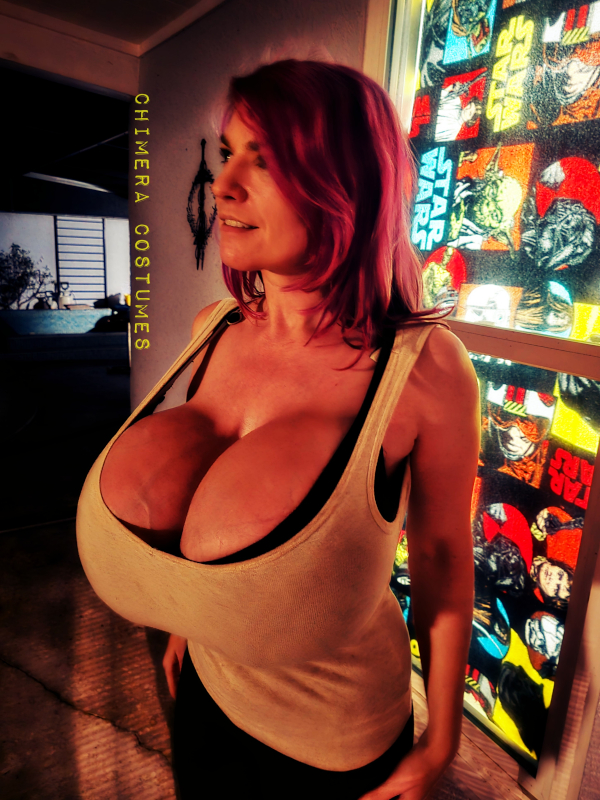

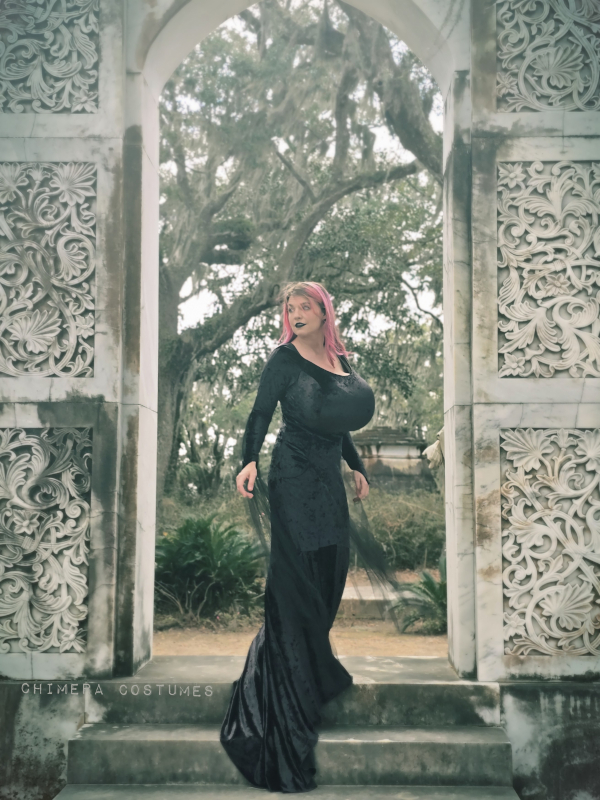


✝ Goth Cosplay in Action ✝
Chimera Costumes — Dark Fantasy Craft
When goth aesthetics meet serious costume construction, the result is something rare. Chimera Costumes builds every dark fantasy piece from scratch — shadow elves, vampire queens, gothic sorceresses — with the same obsessive dedication that defines the best of goth culture. Free build content on Instagram, Twitch, and YouTube. Exclusive dark sets on Patreon. Adult goth content on OnlyFans (18+).