Formation and Early Work
Lisa Gerrard and Brendan Perry formed Dead Can Dance in Melbourne, Australia in 1981, relocated to London, and were signed to the legendary 4AD label — the same label that housed Cocteau Twins, This Mortal Coil, and much of the most significant atmospheric dark music of the era. Their debut album (1984) announced a genuinely new aesthetic: medieval and world music elements combined with post-punk production and Lisa Gerrard's extraordinary glossolalic vocals — a self-invented language of pure sound rather than words.
Lisa Gerrard's Voice
Lisa Gerrard's voice is one of the most distinctive and extraordinary instruments in recorded music. She sings in a language she invented herself — a personal glossolalia that conveys meaning through pure sound and melodic gesture. The voice is ancient-feeling, sacred-sounding, and utterly unlike anything in the post-punk world around them. It is the sound of ritual from an unspecified civilisation that existed at the intersection of all known world music traditions.
The Essential Albums
Spleen and Ideal (1985), Within the Realm of a Dying Sun (1987), The Serpent's Egg (1988), and Aion (1990) form the peak of their 4AD work — albums of extraordinary depth and beauty that drew from medieval European music, North African and Middle Eastern traditions, minimalist classical, and atmospheric post-punk. No description does them justice. They need to be heard.
Influence
Dead Can Dance's influence extends far beyond goth music into film scores, world music, new age, and various adjacent dark traditions. Lisa Gerrard's solo career and film scoring work — she co-composed the Gladiator score — brought her voice to mainstream awareness without compromising the darkness that defines it.
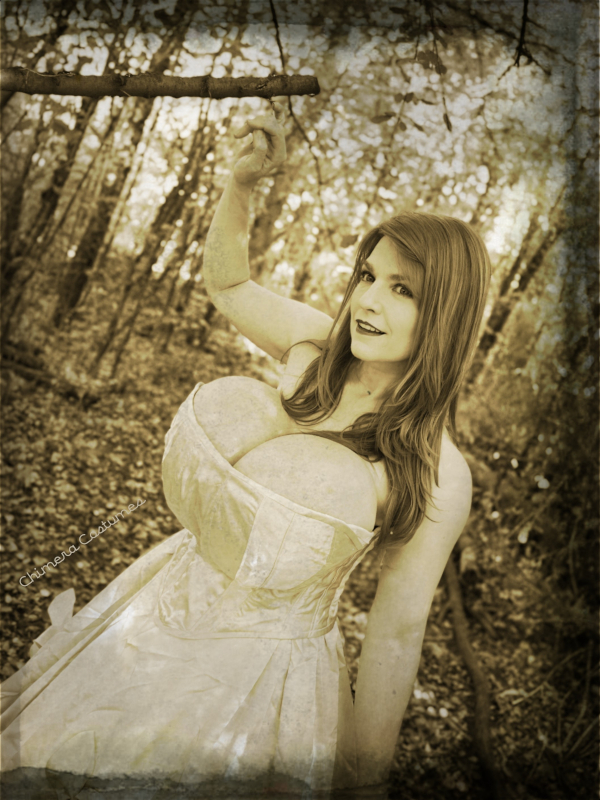

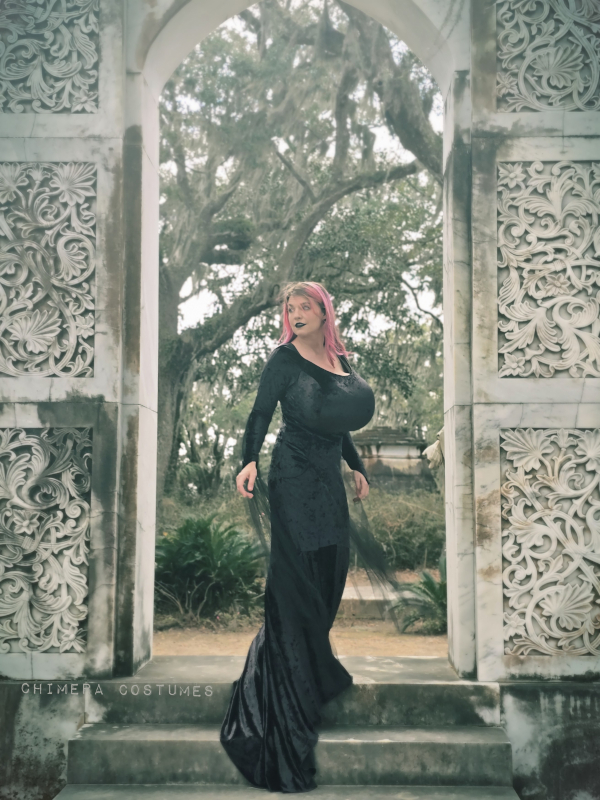

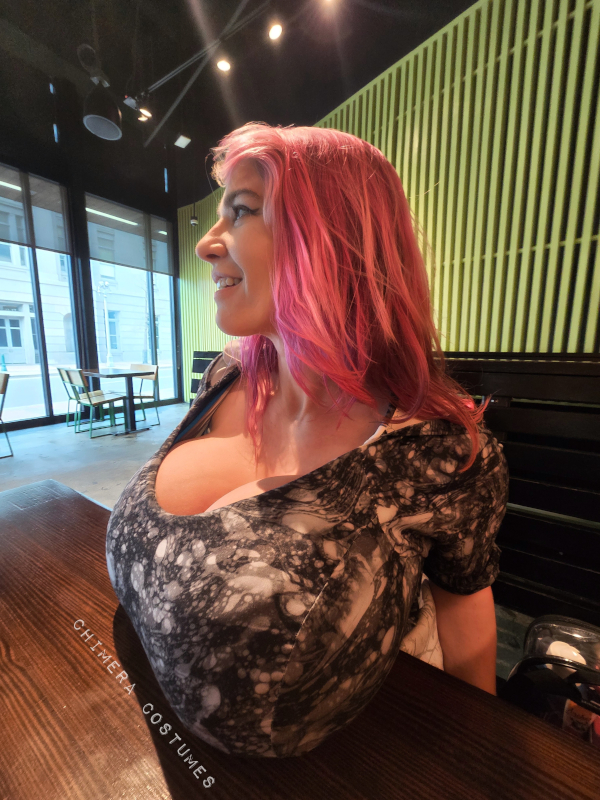
✝ Goth Cosplay in Action ✝
Chimera Costumes — Dark Fantasy Craft
When goth aesthetics meet serious costume construction, the result is something rare. Chimera Costumes builds every dark fantasy piece from scratch — shadow elves, vampire queens, gothic sorceresses — with the same obsessive dedication that defines the best of goth culture. Free build content on Instagram, Twitch, and YouTube. Exclusive dark sets on Patreon. Adult goth content on OnlyFans (18+).