The Sound of Classic Goth
Classic goth rock has a distinctive sonic signature that is immediately recognisable across five decades. The bass guitar is unusually prominent — often the most audible melodic instrument. The guitar applies heavy reverb and delay, creating a sense of cavernous depth. The vocals occupy the lower registers, using resonance over power. The drums are often spare and precise rather than physically aggressive. The overall texture is one of controlled darkness — not chaos but atmosphere.
The Key Bands
Beyond the well-known names of Bauhaus, Sisters of Mercy, and Siouxsie, the classic goth era produced a remarkable range of artists. Christian Death in Los Angeles brought a more extreme, deathrock sensibility that influenced American goth distinctly from its British counterpart. Fields of the Nephilim created an extraordinary hybrid of goth atmospherics and spaghetti-western imagery — their sound was vast and elemental, like music made in desert ruins. Sex Gang Children, UK Decay, and The Virgin Prunes all contributed essential work to the early scene.
Deathrock: The American Variant
American goth developed its own distinct strand called deathrock — harder-edged, more punk in energy, with a horror aesthetic drawn from B-movies and splatter films rather than Victorian Gothic literature. Christian Death were the primary architects, their debut album Only Theatre of Pain (1982) an extraordinarily raw document of the LA deathrock scene. Later bands like 45 Grave, Kommunity FK, and Burning Image continued the deathrock tradition.
The Batcave Club
The Batcave club in Soho, London (1982–1985) was the crucible of the British goth scene. Hosted by Specimen's Ollie Wisdom, the weekly club night provided a dedicated space for the emerging aesthetic and community. Photographs from Batcave nights show the visual vocabulary crystallising in real time: the clothes, the hair, the makeup, the shared aesthetic of beautiful darkness.

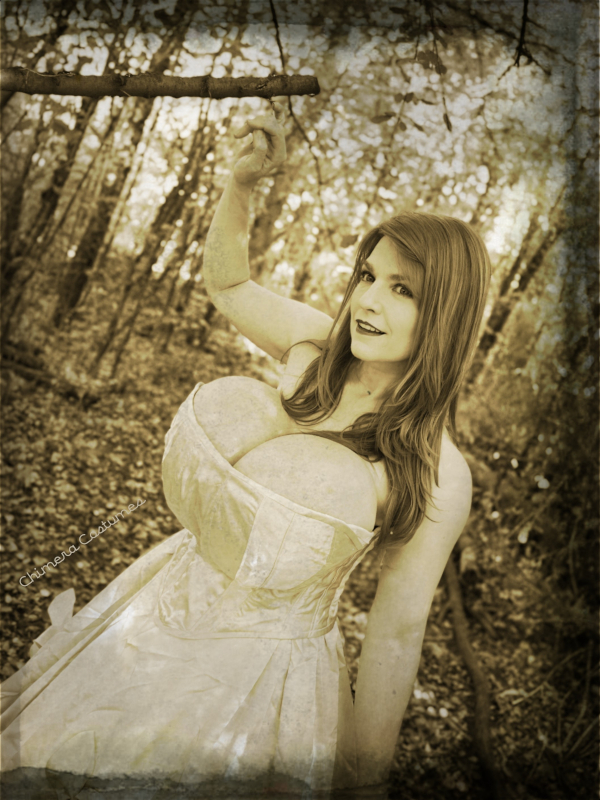

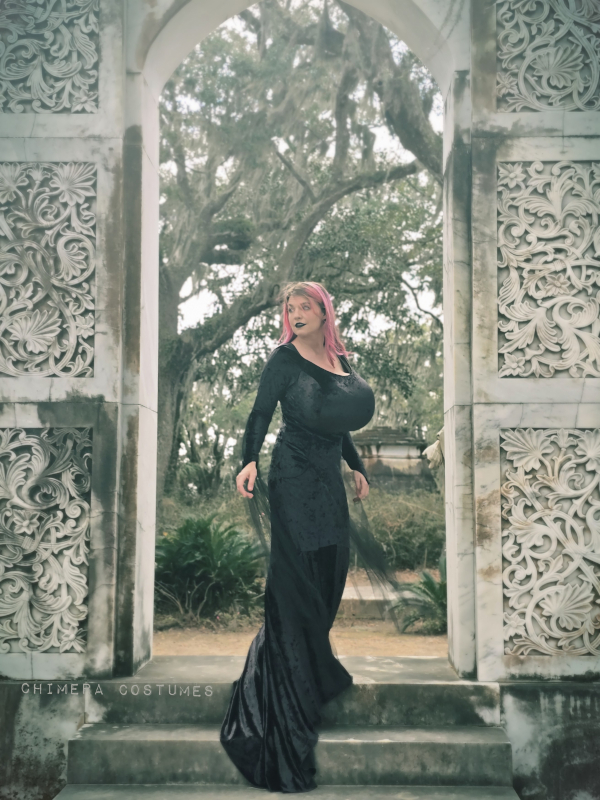

✝ Goth Cosplay in Action ✝
Chimera Costumes — Dark Fantasy Craft
When goth aesthetics meet serious costume construction, the result is something rare. Chimera Costumes builds every dark fantasy piece from scratch — shadow elves, vampire queens, gothic sorceresses — with the same obsessive dedication that defines the best of goth culture. Free build content on Instagram, Twitch, and YouTube. Exclusive dark sets on Patreon. Adult goth content on OnlyFans (18+).