The Early Years
The Cure formed in Crawley, West Sussex in 1976 as Easy Cure, eventually settling into the name The Cure by 1978. Their debut album Three Imaginary Boys (1979) was raw post-punk. But Robert Smith was already writing songs of a different character — darker, more personal, more concerned with the architecture of feeling than with punk's political bluntness.
The Gothic Peak: 1980–1982
Seventeen Seconds (1980), Faith (1981), and Pornography (1982) form what fans call the "Dark Trilogy" — three albums of increasing despair that represent The Cure at their most uncompromisingly gothic. Pornography in particular is harrowing: a record that sounds like Smith was documenting a psychological collapse in real time. The opening line — "It doesn't matter if we all die" — establishes the register immediately.
Disintegration (1989)
After a mid-period that included commercial hits and lighter material, The Cure returned to darkness with Disintegration — an album that many consider not just their masterpiece but one of the greatest albums ever made in any genre. "Plainsong," "Closedown," "Lovesong," "Lullaby" — the album flows as a single sustained emotional experience. It sounds like grief rendered as music.
Robert Smith's Enduring Image
Robert Smith's visual identity — teased black hair, smeared lipstick, heavy eyeliner, perpetual slight dishevelment — is one of music's most recognisable images. He has maintained it, with remarkable consistency, for over four decades. It is simultaneously a statement and a dismissal of any expectation that artists should present themselves "properly."

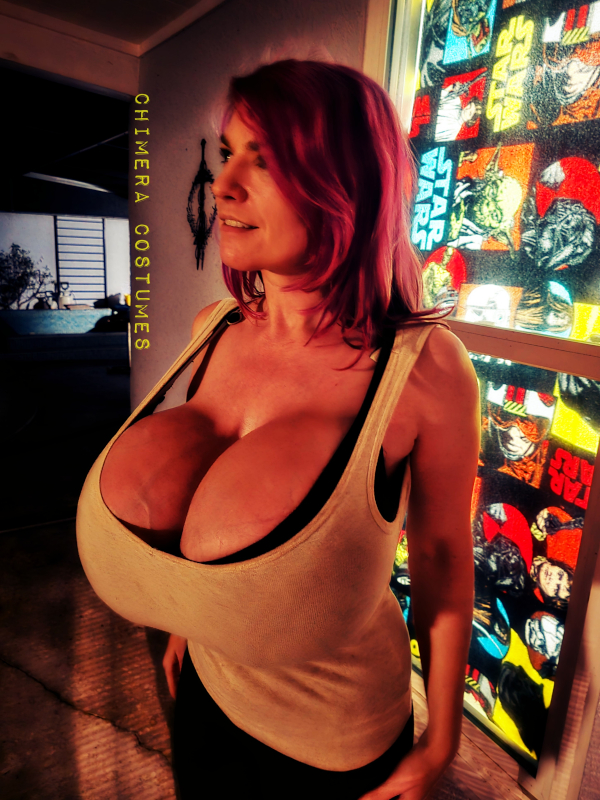

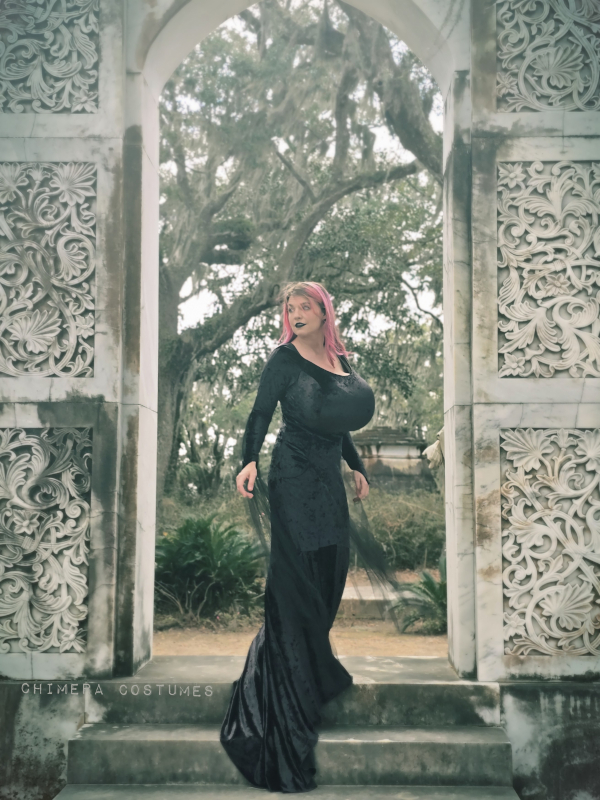
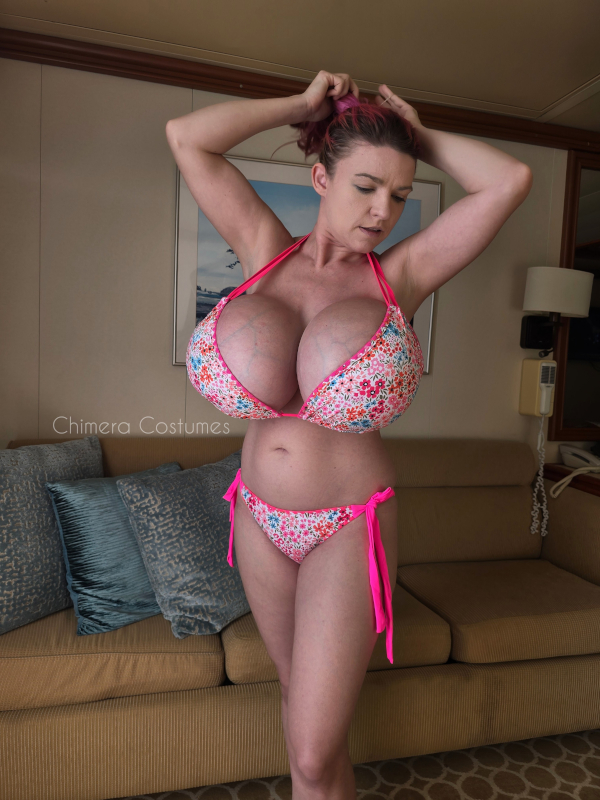
✝ Goth Cosplay in Action ✝
Chimera Costumes — Dark Fantasy Craft
When goth aesthetics meet serious costume construction, the result is something rare. Chimera Costumes builds every dark fantasy piece from scratch — shadow elves, vampire queens, gothic sorceresses — with the same obsessive dedication that defines the best of goth culture. Free build content on Instagram, Twitch, and YouTube. Exclusive dark sets on Patreon. Adult goth content on OnlyFans (18+).