From Punk to Goth
Siouxsie Sioux (born Susan Ballion) was a fixture of the London punk scene before she even had a band. She appeared at the 100 Club Punk Festival in 1976, improvising a 20-minute set with a scratch band that included a pre-fame Sid Vicious. By 1978, she had formed the proper Banshees — and the debut album The Scream announced that something categorically different was happening.
Siouxsie's visual presence was as influential as her music. She pioneered the kohl-heavy eyes, the jet-black hair, the pale skin — elements now synonymous with goth aesthetic that she was developing before the word "goth" existed in this context. Her visual identity was deliberately confrontational, incorporating elements that the mainstream found disturbing, ugly, or threatening. She wore them as armour and as art simultaneously.
The Essential Albums
Kaleidoscope (1980) and Juju (1981) are widely considered the artistic pinnacle of the Banshees catalogue. Juju in particular — with its tribal drumming, spider-web guitar work from John McGeoch, and Siouxsie's soaring vocals — stands as one of the essential goth records. The post-punk energy is compressed into something simultaneously ancient and modern.
Influence Beyond Measure
Siouxsie's influence extends far beyond music. Her visual language shaped goth fashion, makeup, and self-presentation for generations. Her refusal to conform to any record company or media expectation of how a female artist should look, sound, or behave established a template for artistic independence that resonates across goth culture to this day.

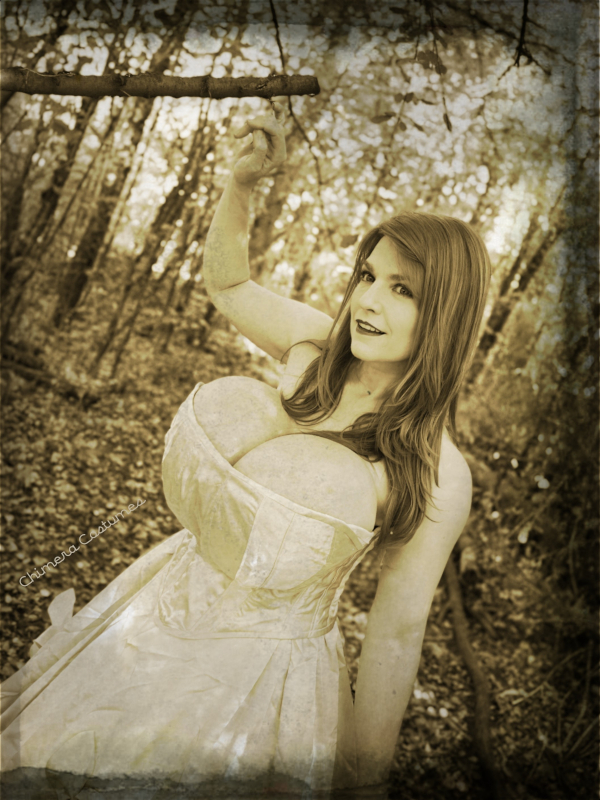



✝ Goth Cosplay in Action ✝
Chimera Costumes — Dark Fantasy Craft
When goth aesthetics meet serious costume construction, the result is something rare. Chimera Costumes builds every dark fantasy piece from scratch — shadow elves, vampire queens, gothic sorceresses — with the same obsessive dedication that defines the best of goth culture. Free build content on Instagram, Twitch, and YouTube. Exclusive dark sets on Patreon. Adult goth content on OnlyFans (18+).