Formation in Manchester
Joy Division formed in Salford, Greater Manchester in 1976 as Warsaw, renaming themselves Joy Division in 1977. Bernard Sumner (guitar), Peter Hook (bass), Stephen Morris (drums), and Ian Curtis (vocals) created a sound that grew from punk roots into something darker, stranger, and more emotionally extreme. Curtis — who suffered from epilepsy and was going through the collapse of his marriage — channelled genuine crisis into some of the most affecting performances in rock music history.
Unknown Pleasures (1979)
The debut album, produced by Martin Hannett for Factory Records, sounds like no other record — its production choices (reversed cymbals, isolated instruments, extraordinary depth of space) gave the music an alien quality that perfectly matched Curtis's lyrics and performance. "Disorder," "She's Lost Control," "New Dawn Fades" — each track is a document of something genuinely happening to the people making it.
Closer (1980)
The second album was recorded while Curtis's health was deteriorating and his epilepsy was worsening. Released two months after his death by suicide at age 23, Closer has an emotional weight that is inseparable from its circumstances. "Decades," the final track, is among the most devastating things in rock music. The album cover — a photograph of an Italian marble tomb sculpture — was chosen before Curtis's death, but became retrospectively perfect.
Ian Curtis's Death and Legacy
Ian Curtis died on May 18, 1980, the night before Joy Division's first US tour. The remaining members became New Order — one of the most important electronic music acts of the 1980s. Joy Division's music became the foundation on which goth, post-punk revival, and vast swaths of subsequent dark music were built. Their influence is essentially limitless.

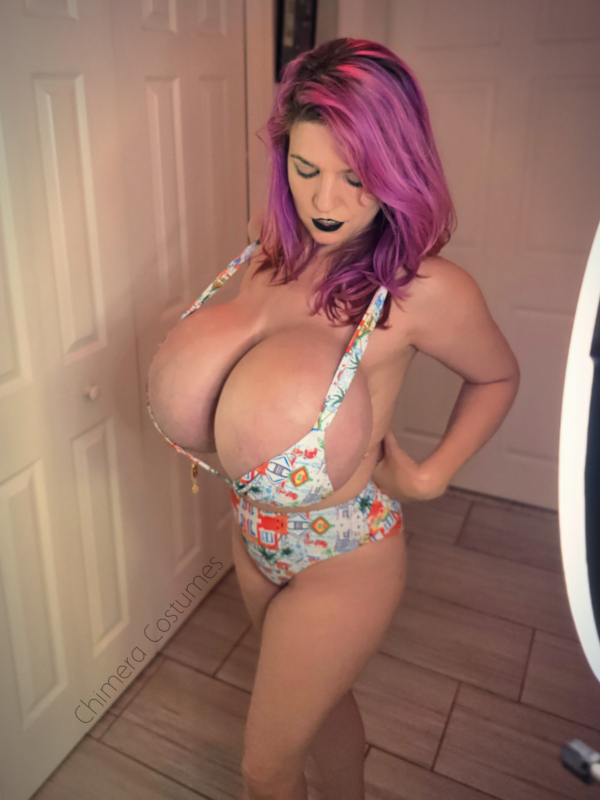

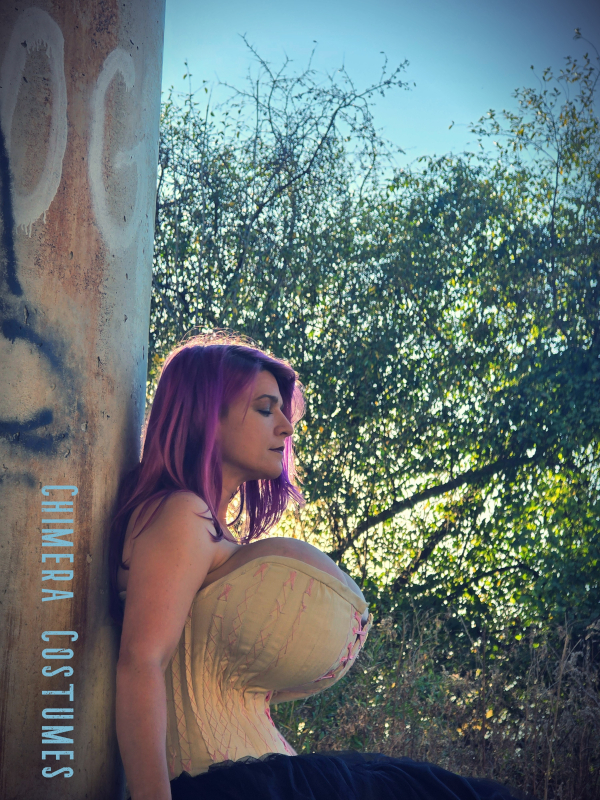
✝ Goth Cosplay in Action ✝
Chimera Costumes — Dark Fantasy Craft
When goth aesthetics meet serious costume construction, the result is something rare. Chimera Costumes builds every dark fantasy piece from scratch — shadow elves, vampire queens, gothic sorceresses — with the same obsessive dedication that defines the best of goth culture. Free build content on Instagram, Twitch, and YouTube. Exclusive dark sets on Patreon. Adult goth content on OnlyFans (18+).