The Gothic Canon
Horace Walpole — The Castle of Otranto (1764): The founding document. Absurd by modern standards but historically essential — every Gothic trope begins here.
Ann Radcliffe — The Mysteries of Udolpho (1794): The bestselling Gothic novel of its era. Dark castle, imprisoned heroine, mysterious villain, supernatural ambiguity.
Matthew Lewis — The Monk (1796): More extreme than its contemporaries — genuinely transgressive for 1796. A monk's fall from grace through increasingly dark territory.
Mary Shelley — Frankenstein (1818): Non-negotiable. The most philosophically substantial Gothic novel ever written. The creature's question — "did I request thee, Maker, from my clay to mould me man?" — is the goth question.
Edgar Allan Poe — Complete Tales and Poems: All of it. Read everything. The Fall of the House of Usher, Ligeia, The Tell-Tale Heart, The Raven. There is no wasted page.
Bram Stoker — Dracula (1897): The vampire novel against which all others are measured. Still deeply unsettling. The letters and journals format creates genuine intimacy.
20th Century Gothic
Daphne du Maurier — Rebecca (1938): Gothic atmosphere without supernatural elements — pure psychological dread. "Last night I dreamt I went to Manderley again."
Shirley Jackson — We Have Always Lived in the Castle (1962): Quiet, strange, deeply dark, and written with a voice completely unlike anything else.
Anne Rice — Interview with the Vampire (1976): The modern vampire canon. Doomed romance, existential angst, extraordinary visual detail. Essential goth reading.
Poetry of Darkness
Keats's "Ode to a Nightingale," Shelley's "Ozymandias," Byron's "Darkness," and Poe's "The Raven" and "Annabel Lee" form the core of dark Romantic poetry. Emily Dickinson's death-preoccupied work — particularly "Because I could not stop for Death" — is perfect goth poetry dressed as hymn.

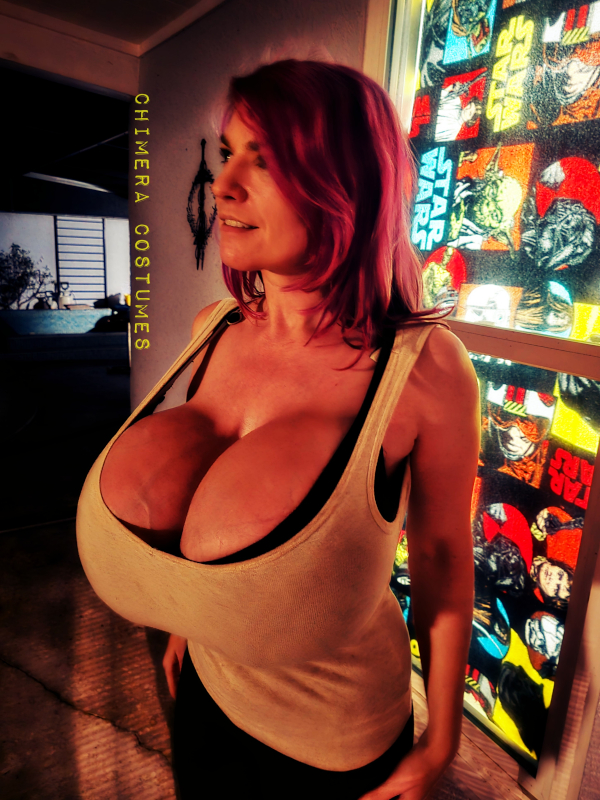
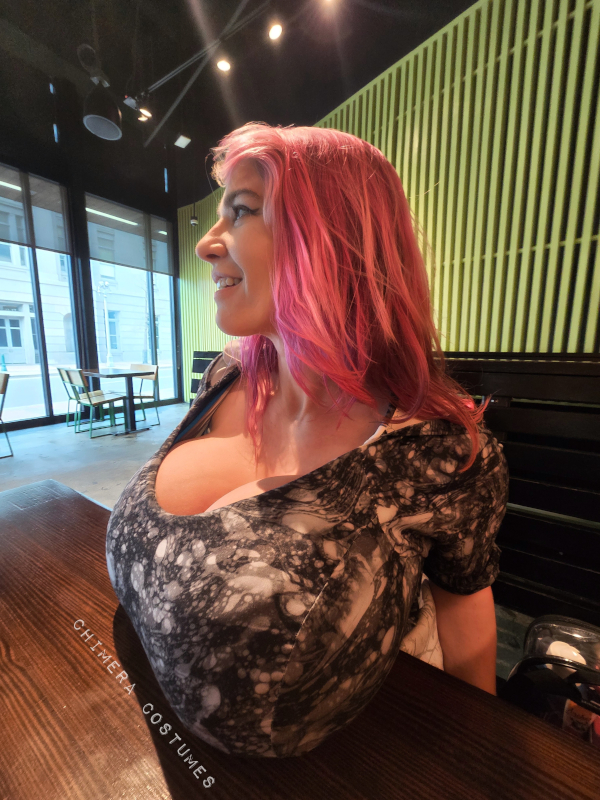
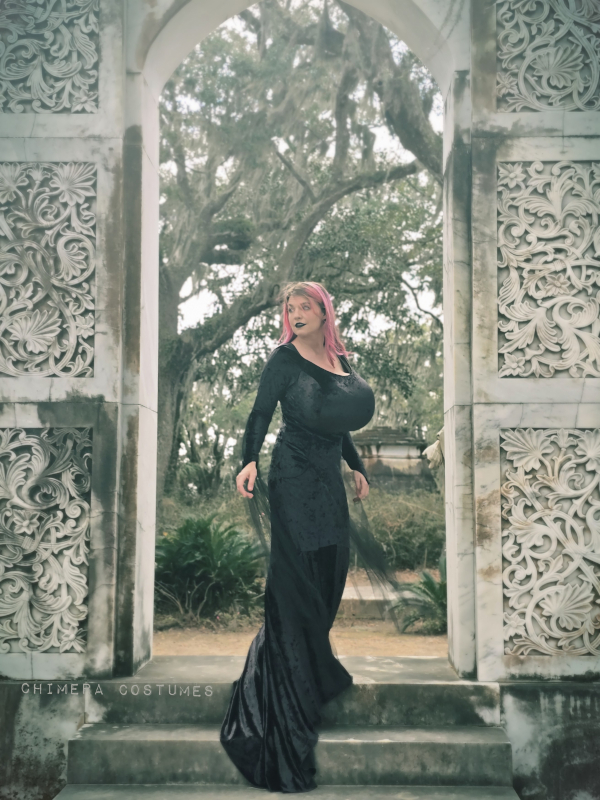
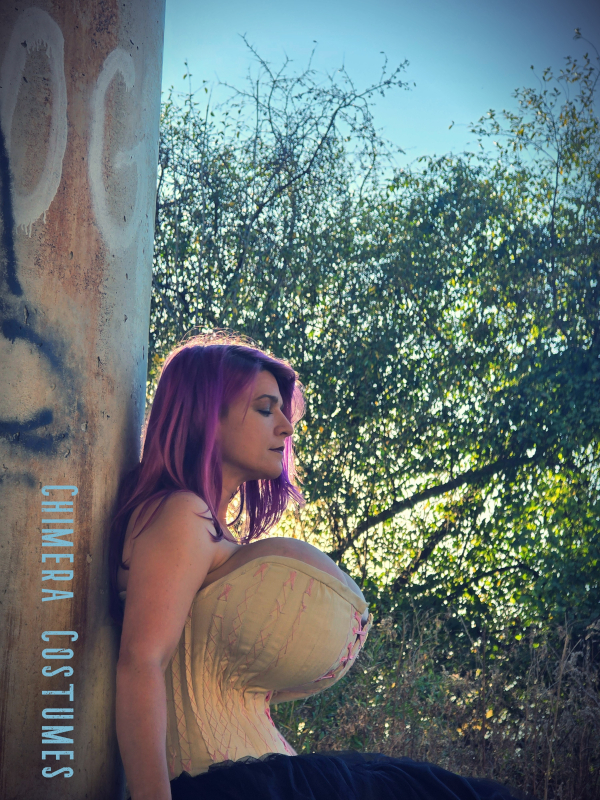
✝ Goth Cosplay in Action ✝
Chimera Costumes — Dark Fantasy Craft
When goth aesthetics meet serious costume construction, the result is something rare. Chimera Costumes builds every dark fantasy piece from scratch — shadow elves, vampire queens, gothic sorceresses — with the same obsessive dedication that defines the best of goth culture. Free build content on Instagram, Twitch, and YouTube. Exclusive dark sets on Patreon. Adult goth content on OnlyFans (18+).