The Shock Rock Tradition
Marilyn Manson did not invent rock music's use of theatrical transgression. Alice Cooper, Iggy Pop, and David Bowie had all used performance, costume, and deliberate provocation as artistic tools. What Manson — born Brian Hugh Warner in Canton, Ohio in 1969 — did was synthesise those traditions with the industrial goth aesthetic of the early 1990s and aim the result at the specific anxieties of suburban American conservatism.
Antichrist Superstar (1996)
The third album and the artistic peak of early Manson. Produced by Trent Reznor and the NIN production team, it is a concept album about the transformation from vulnerable human to destructive rock idol — a narrative simultaneously about Manson's career and about the way society creates monsters from the people it rejects. The production is massive: industrial machinery, orchestral samples, guitar work from Twiggy Ramirez that bends between metal heaviness and melodic beauty.
Mechanical Animals (1998)
The glam-influenced follow-up abandoned much of industrial goth's abrasion in favour of spacier, more melodic production. The androgynous Omega persona that dominated the album's imagery expanded the visual vocabulary of goth in the direction of Bowie's Ziggy Stardust. Commercially, it was Manson's biggest success; artistically, it divided fans.
Cultural Impact
Manson's cultural impact in the 1990s was extraordinary. He was blamed, falsely, for the Columbine massacre. He was protested by religious groups across the United States, which only expanded his audience. Michael Moore's documentary Bowling for Columbine included one of the most devastating interview moments of the era — Manson asked what he would say to Columbine students, replying simply: "I wouldn't say a single word. I'd listen to what they have to say."
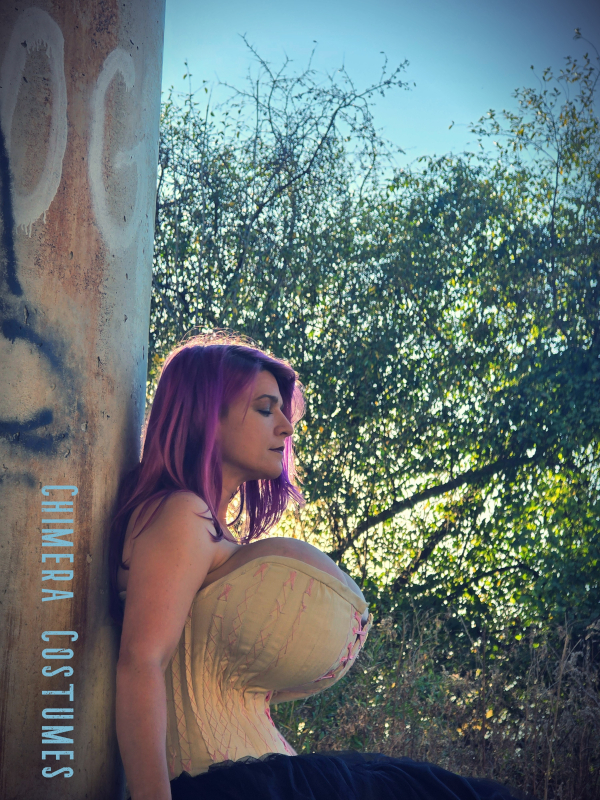

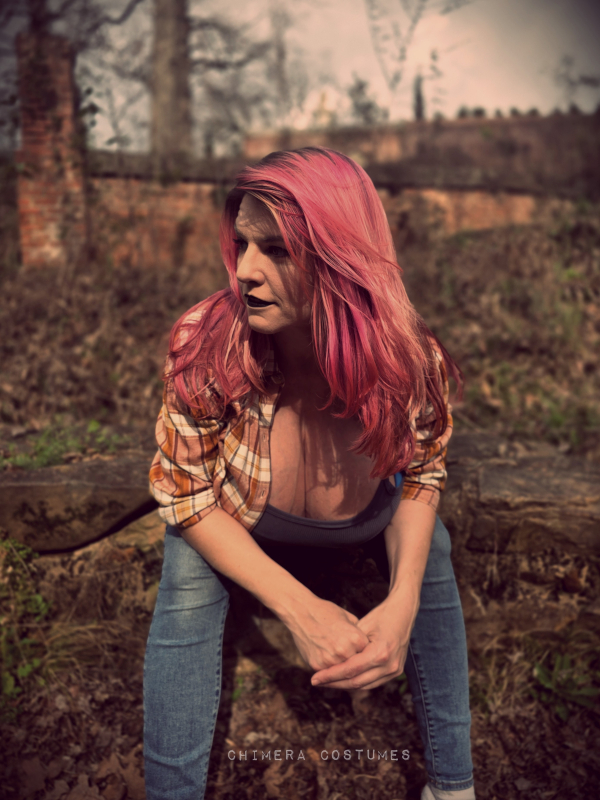
✝ Goth Cosplay in Action ✝
Chimera Costumes — Dark Fantasy Craft
When goth aesthetics meet serious costume construction, the result is something rare. Chimera Costumes builds every dark fantasy piece from scratch — shadow elves, vampire queens, gothic sorceresses — with the same obsessive dedication that defines the best of goth culture. Free build content on Instagram, Twitch, and YouTube. Exclusive dark sets on Patreon. Adult goth content on OnlyFans (18+).