Traditional Goth (Trad Goth)
Trad goths are purists — they align themselves specifically with the classic 1980s goth aesthetic: the music (Bauhaus, Sisters of Mercy, the Batcave era), the fashion (teased hair, dark Victorian-adjacent clothing, dramatic makeup), and the cultural attitudes of the original scene. Trad goth is a conscious stance of authenticity in a subculture that has splintered significantly from its origins.
Romantic Goth
Romantic goth draws from the Romantic literary tradition — Byron, Keats, Shelley — and emphasises beauty, passion, and the aesthetics of longing and loss. The fashion tends toward flowing fabrics, lace, velvet, and deep jewel tones alongside black. The music tends toward darkwave's more romantic expressions and Victorian goth. The overall aesthetic is more lyrical and less angular than trad goth.
Gothic Lolita
Gothic Lolita emerged from Japan's Harajuku fashion culture and combines doll-like Victorian children's fashion aesthetics with goth darkness. The result is elaborately constructed, often petticoat-supported dresses in black or black-and-white, with lace, ribbons, and Mary Jane shoes. It is visually distinctive and technically demanding to execute well.
Nu Goth / Witchy Goth
Nu goth emerged in the 2010s, incorporating witchcraft aesthetic, occult symbols, and softer, more casual clothing alongside goth's traditional darkness. Less Victorian, more contemporary — oversized black sweaters with moon and pentagram motifs, platform boots with more casual silhouettes. Often overlaps with the 'soft goth' and 'witchy aesthetic' of social media.
Health Goth
Health goth is a tongue-in-cheek movement that combined goth aesthetics with athletic wear — black sportswear, technical fabrics, running shoes in black. More cultural commentary than genuine subculture, it nonetheless produced genuinely interesting fashion combinations and reflects goth culture's ongoing capacity for self-aware reinvention.
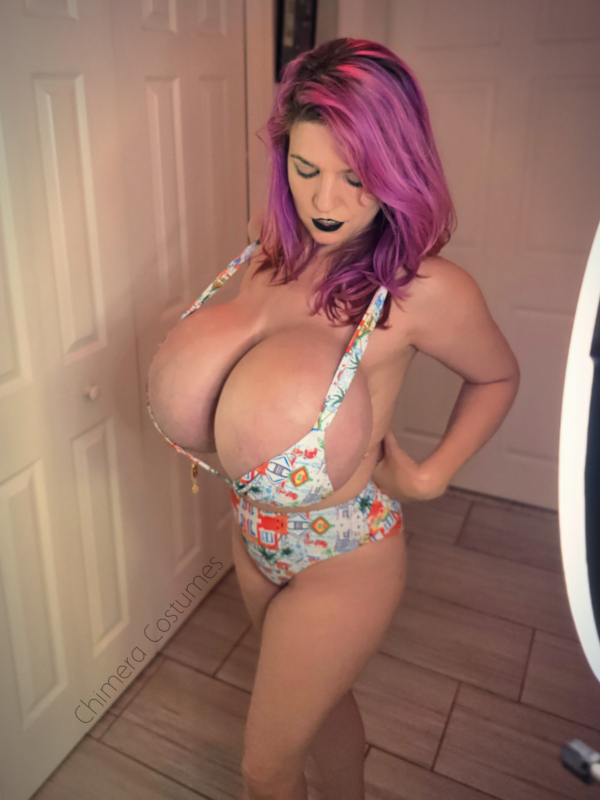
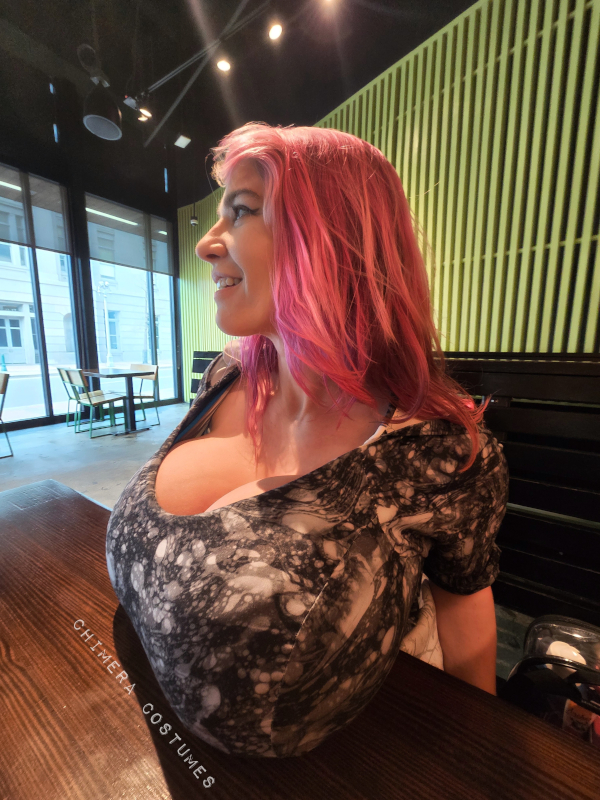
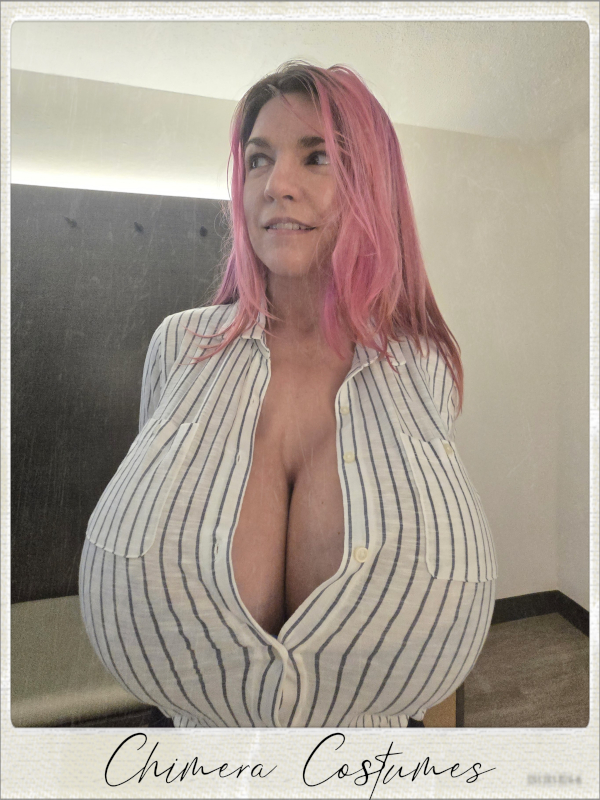
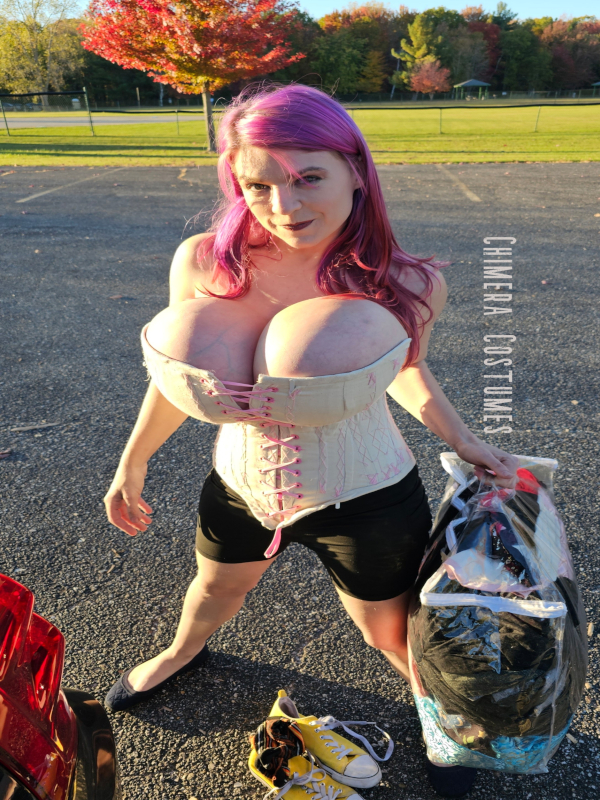

✝ Goth Cosplay in Action ✝
Chimera Costumes — Dark Fantasy Craft
When goth aesthetics meet serious costume construction, the result is something rare. Chimera Costumes builds every dark fantasy piece from scratch — shadow elves, vampire queens, gothic sorceresses — with the same obsessive dedication that defines the best of goth culture. Free build content on Instagram, Twitch, and YouTube. Exclusive dark sets on Patreon. Adult goth content on OnlyFans (18+).