The Challenge of Photographing Darkness
Goth fashion and aesthetic presents specific photographic challenges. Dark clothing in dark environments flattens detail. Pale skin in bright light loses texture. The theatrical, elaborate nature of goth dress requires compositional thoughtfulness to convey its complexity. Most automatic camera systems will try to "correct" the dark tones that are actually the point — understanding how to override this is the first skill.
Lighting for Goth Portraits
The most effective lighting for goth portraits is directional and controlled rather than even and ambient. A single strong light source — window light, a focused artificial light, a flash with a gridded modifier — creates the high-contrast, shadow-rich images that convey goth aesthetic most accurately. The shadow is as important as the light. Expose for the highlights and let the shadows fall deep.
Location and Environment
Gothic architecture, abandoned buildings, cemeteries, forests at dusk, candle-lit interiors — environments that carry inherent darkness amplify the subject's aesthetic. A goth portrait in front of a cathedral or in a fog-drenched cemetery is not a cliché; it is an accurate deployment of complementary visual language.
Post-Processing
Goth photography typically benefits from post-processing that increases contrast, deepens shadows, desaturates colour toward a cooler or more monochromatic tone, and adds texture or grain. The goal is not a technically "clean" image but one that carries the weight and atmosphere of its subject. High-fashion beauty retouch standards are inappropriate — goth photography should look like the darkness is real.
Cosplay Photography
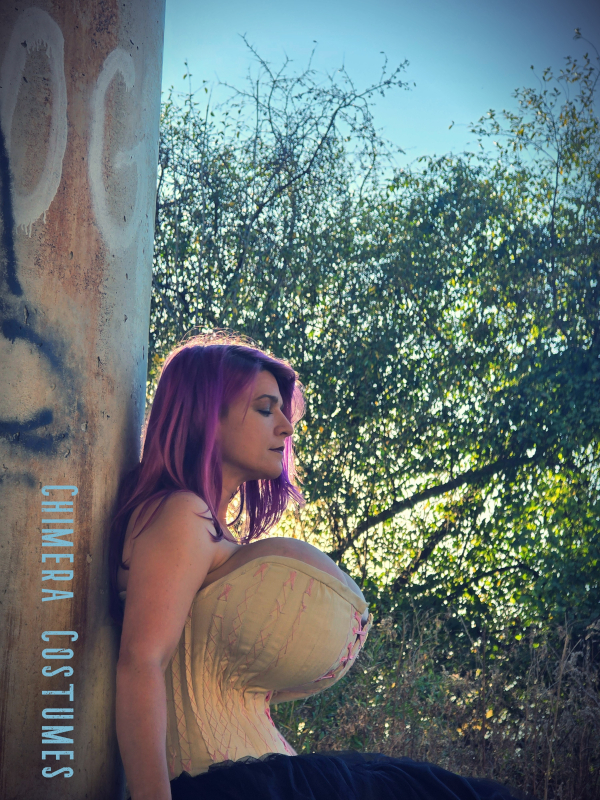
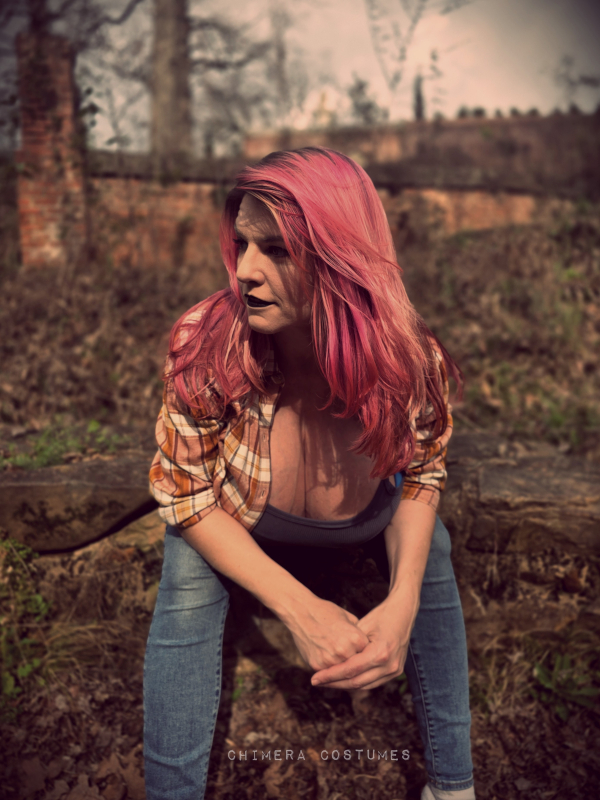
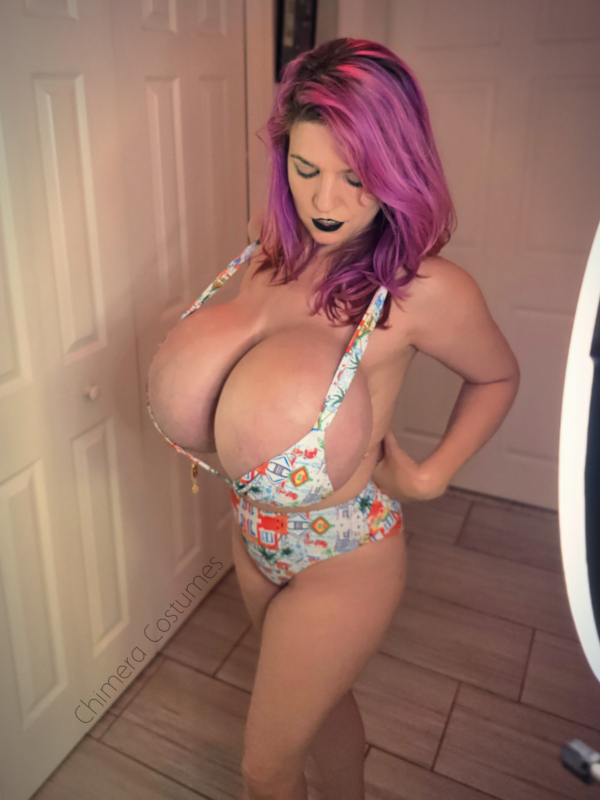
Photographing goth cosplay — dark fantasy characters in full costume — requires all of the above plus attention to how the costume reads in frame. Lighting should separate different elements of the costume from the background. Character posing creates more intentional images than generic model poses. Chimera Costumes provides an ongoing reference for how dark fantasy cosplay photography can be approached with genuine craft.


✝ Goth Cosplay in Action ✝
Chimera Costumes — Dark Fantasy Craft
When goth aesthetics meet serious costume construction, the result is something rare. Chimera Costumes builds every dark fantasy piece from scratch — shadow elves, vampire queens, gothic sorceresses — with the same obsessive dedication that defines the best of goth culture. Free build content on Instagram, Twitch, and YouTube. Exclusive dark sets on Patreon. Adult goth content on OnlyFans (18+).