The Nephilim Sound
Fields of the Nephilim formed in Stevenage in 1984. Their sound was unlike anything else in the goth world — enormous, unhurried, built on a foundation of bass and drum patterns that felt geological rather than merely rhythmic. Carl McCoy's voice was extraordinary: a deep, reverbed baritone that sounded like it was recording from inside a cathedral, or a cave, or somewhere older than either. The visual aesthetic was equally distinctive: fringed duster coats, wide-brimmed hats, faces dusted with flour for a ghost-pale stage presence — American Gothic by way of Hertfordshire.
Dawnrazor (1987)
The debut album established the template and delivered some of the band's most powerful material. "Preacher Man" and "Slow Kill" are both essential — vast, slow-building goth rock with a weight and presence that few bands in the genre have matched. The production is raw but purposeful: the roughness is part of the aesthetic.
Elizium (1990)
The third album is considered the band's masterpiece — a more ambient, atmospheric work that pulls back from guitar-forward rock toward something stranger and more architecturally complex. "For Her Light," "At the Gates of Silent Memory" — the songs feel like landscapes rather than compositions. Elizium is among the most genuinely unique records in goth music.
Legacy
Fields of the Nephilim have influenced an enormous range of subsequent goth and gothic metal acts. Their particular blend of enormity and atmosphere — music that feels like it occupies physical space — anticipated the doom and gothic metal movements that followed in the 1990s. Carl McCoy has continued working under the Nephilim name in various configurations, maintaining the project's mystique.
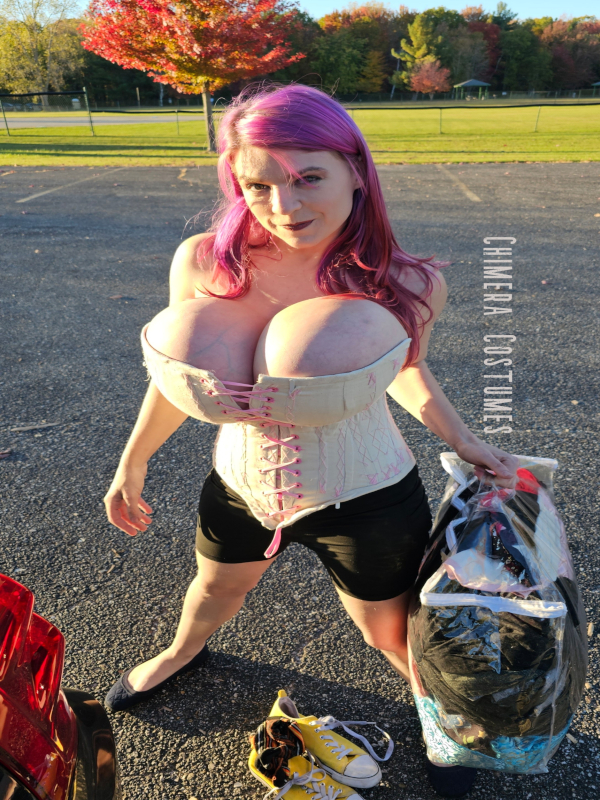
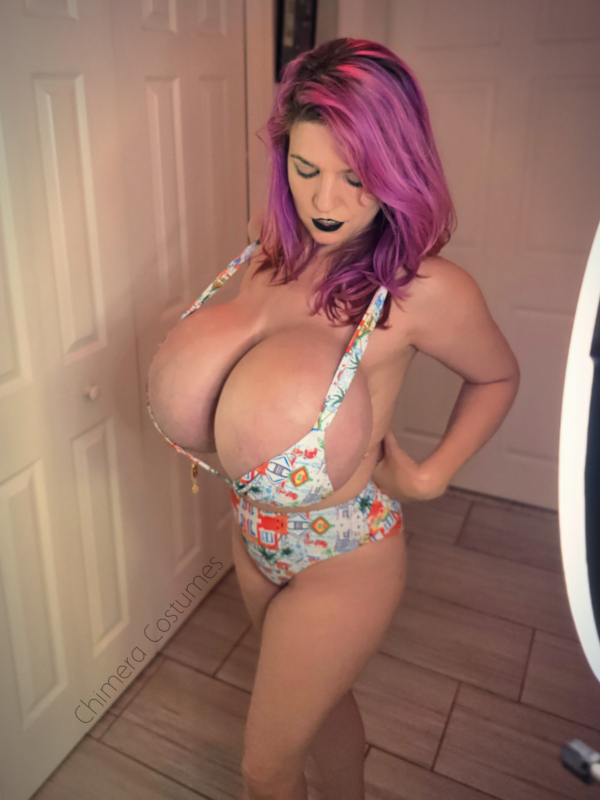

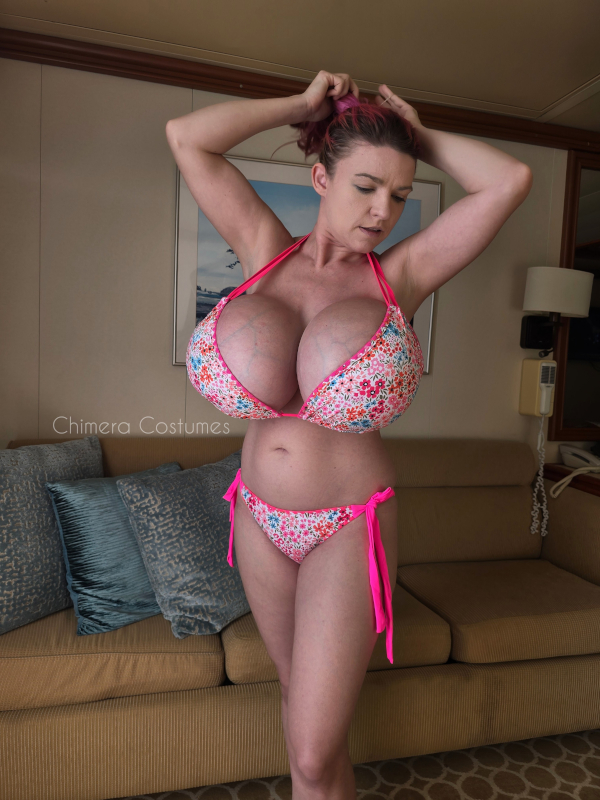

✝ Goth Cosplay in Action ✝
Chimera Costumes — Dark Fantasy Craft
When goth aesthetics meet serious costume construction, the result is something rare. Chimera Costumes builds every dark fantasy piece from scratch — shadow elves, vampire queens, gothic sorceresses — with the same obsessive dedication that defines the best of goth culture. Free build content on Instagram, Twitch, and YouTube. Exclusive dark sets on Patreon. Adult goth content on OnlyFans (18+).