The Classic Goth Tier
- Bauhaus — The founding document. "Bela Lugosi's Dead" is where it begins.
- Sisters of Mercy — Cathedral-scale goth rock. Three essential albums.
- Siouxsie and the Banshees — Juju. Enough said.
- The Cure — Disintegration is perfect. Full stop.
- Joy Division — The root system. Everything goth grew from here.
- Christian Death — American deathrock at its most extreme.
- Fields of the Nephilim — The most elemental goth rock ever made.
- Sex Gang Children — Early Batcave essential.
- UK Decay — First wave goth punk at its roughest.
- Southern Death Cult — Pre-The Cult, pure goth energy.
The Darkwave Tier
- Clan of Xymox — Darkwave's defining band.
- Deine Lakaien — Cinematic European darkwave.
- Lycia — Dark ambient at its most expansive.
- Black Tape for a Blue Girl — American darkwave's finest hour.
- Switchblade Symphony — Tina Root's voice, perfect darkwave.
- Unto Ashes — Dark folk with medieval soul.
- Tears for Fears — Adjacently dark, massively influential.
- Lebanon Hanover — Modern darkwave at its most minimal.
- Boy Harsher — Contemporary EBM/darkwave crossover.
- Cold Cave — Modern goth/synth pop hybrid.
The Industrial/EBM Tier
- Nine Inch Nails — Industrial's most emotionally devastating act.
- Marilyn Manson — Shock rock industrial goth at its peak.
- Ministry — Industrial metal at maximum intensity.
- KMFDM — Industrial dance with political bite.
- Skinny Puppy — Industrial's most experimental architects.
- VNV Nation — Futurepop's soaring emotional heights.
- Combichrist — EBM aggression maximised.
- Covenant — Futurepop with Swedish precision.
- Assemblage 23 — Emotionally intelligent EBM.
- Suicide Commando — Belgian EBM brutalism.
The Victorian/Romantic Tier
- Voltaire — Dark cabaret at its finest.
- Sopor Aeternus — Funeral music of genuine beauty.
- Dead Can Dance — Outside of time and genre entirely.
- Type O Negative — Gothic doom's greatest act.
- Faith and the Muse — Dark folk and neoclassical.
- Emilie Autumn — Victorian industrial with theatrical excess.
- Rasputina — All-cello gothic chamber rock. Unique.
- Inkubus Sukkubus — Pagan goth with genuine folk soul.
- Arcana — Swedish neoclassical darkwave.
- Estampie — Medieval music for Gothic sensibilities.
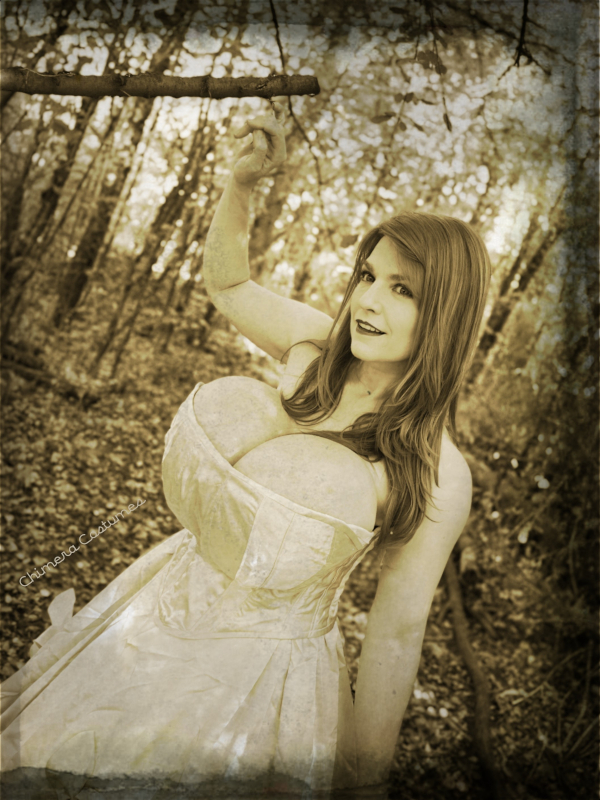




✝ Goth Cosplay in Action ✝
Chimera Costumes — Dark Fantasy Craft
When goth aesthetics meet serious costume construction, the result is something rare. Chimera Costumes builds every dark fantasy piece from scratch — shadow elves, vampire queens, gothic sorceresses — with the same obsessive dedication that defines the best of goth culture. Free build content on Instagram, Twitch, and YouTube. Exclusive dark sets on Patreon. Adult goth content on OnlyFans (18+).