The Shared Territory
Goth and metal have overlapping but distinct cultural identities. Both embrace darkness, both resist mainstream aesthetics, both have developed strong tribal identities and community cultures. But their sonic origins are different — goth from post-punk, metal from hard rock and blues — and their aesthetic philosophies diverge at key points. Metal tends toward power, aggression, and technical mastery; goth toward atmosphere, melancholy, and theatrical darkness.
Gothic Metal
Gothic metal emerged in the early 1990s in the UK, particularly from the Yorkshire and Midlands doom metal scene. Paradise Lost are the founding act — their evolution from death/doom metal through gothic metal on albums like Gothic (1991), Shades of God (1992), and Icon (1993) established the genre template. My Dying Bride and Anathema completed the "Holy Trinity" of British gothic metal, each taking different directions with the shared aesthetic.
Type O Negative: The American Gothic Metal Pinnacle
New York's Type O Negative achieved what the British gothic metal scene gestured toward — a full synthesis of doom metal's weight with goth's dark romanticism, both executed at the highest level. October Rust (1996) remains the standard against which all gothic metal is measured. See our full Type O Negative guide.
Black Metal's Aesthetic Overlap
Black metal's aesthetic — corpse paint, dark visual imagery, preoccupation with darkness and death — has significant overlap with goth, though the musical and ideological content of black metal diverges sharply from goth in important ways. The visual language of corpse paint, for example, bears clear resemblance to goth makeup traditions.
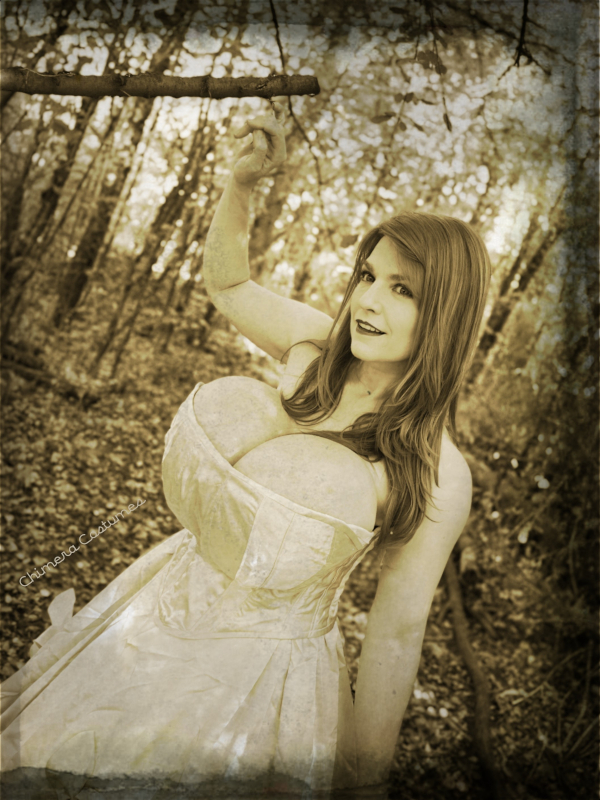

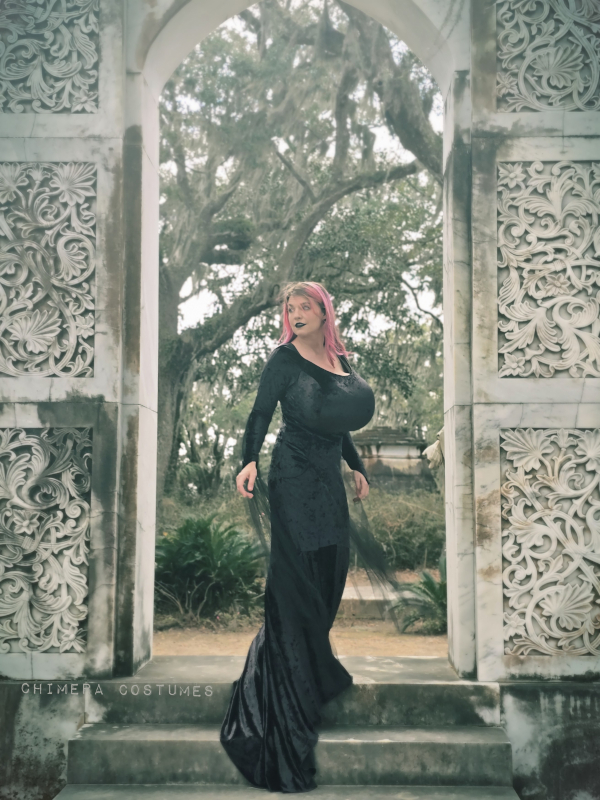

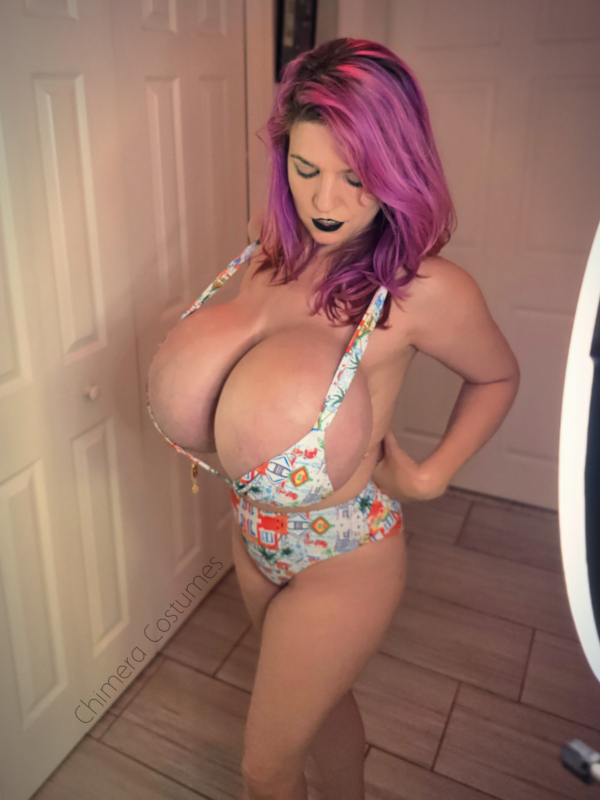
✝ Goth Cosplay in Action ✝
Chimera Costumes — Dark Fantasy Craft
When goth aesthetics meet serious costume construction, the result is something rare. Chimera Costumes builds every dark fantasy piece from scratch — shadow elves, vampire queens, gothic sorceresses — with the same obsessive dedication that defines the best of goth culture. Free build content on Instagram, Twitch, and YouTube. Exclusive dark sets on Patreon. Adult goth content on OnlyFans (18+).